
Can Dirty Air Ducts Increase Your Electric Bill?
March 10, 2026
- By
- Air Duct Cleaning Titans
- HVAC Airflow & Duct Cleaning Specialists
Yes, dirty air ducts can increase your electric bill. At Air Duct Cleaning Titans, we’ve been helping homeowners improve HVAC performance for years of experience, and we’ve seen firsthand how restricted ductwork quietly drives up monthly energy costs. When airflow is blocked by dust, debris, or damaged duct lining, your system runs longer to reach the same temperature. We’ve inspected homes where energy bills climbed 20 – 30% over a season simply because supply trunks were packed with construction debris and pet hair. One homeowner assumed the aging furnace was failing, but static pressure testing revealed severe airflow restriction. After a professional cleaning and minor sealing, runtime dropped and comfort improved within days. Ignoring duct conditions doesn’t just affect air quality – it directly impacts operating costs. For a breakdown of what goes into professional service, review our air duct cleaning cost breakdown.
What Professional-Grade Service Should Include
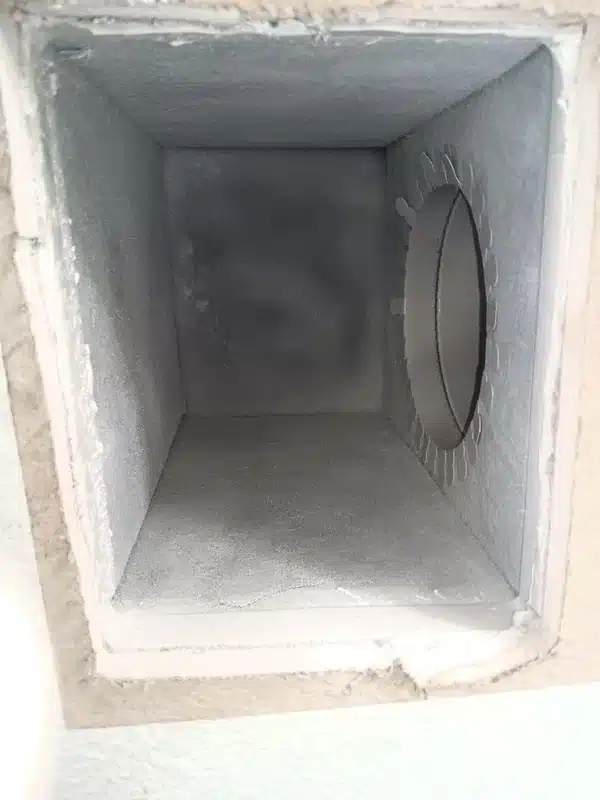
Proper Air Duct Cleaning is about restoring engineered airflow – not just removing visible dust. The most important best practices focus on full-system cleaning, pressure control, and post-service verification. When done correctly, homeowners see measurable improvements in airflow and system runtime. A professional cleaning should include:
- Pre-cleaning static pressure testing with a calibrated manometer
- Sealing and isolating each register before applying negative air
- Use of a truck-mounted or high-capacity HEPA negative air machine
- Mechanical agitation with rotary brushes or compressed air whips
- Cleaning of blower compartment, evaporator coil, and return plenum
What Homeowners Overlook About Duct Efficiency
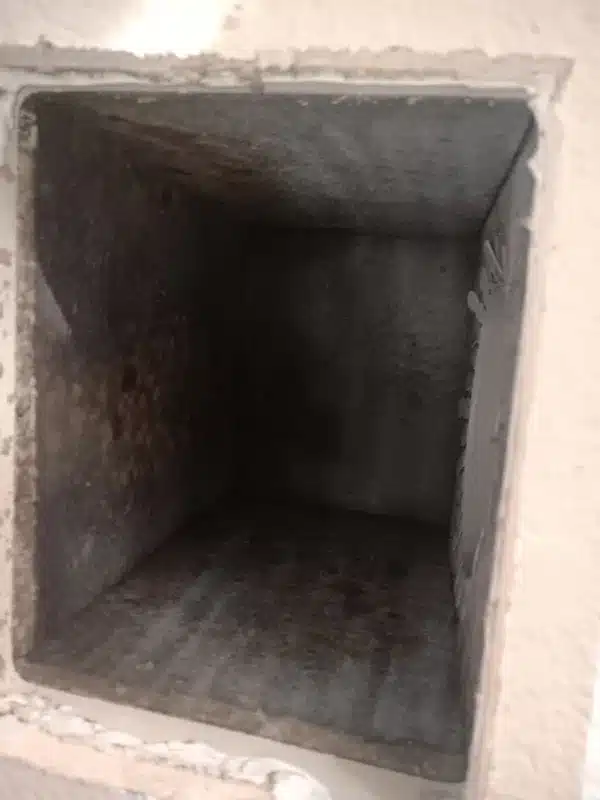
Many homeowners assume replacing the thermostat or upgrading the furnace will solve rising utility bills, while ignoring duct restrictions. The duct system is the distribution network; if it’s compromised, even high-efficiency equipment underperforms. One customer replaced an HVAC unit rated at 16 SEER but kept severely contaminated attic ductwork. Within months, the new system struggled to maintain airflow because insulation dust had accumulated inside flexible ducts. We performed a detailed cleaning and sealed minor leaks in the attic ductwork, which improved delivery and reduced runtime. Common efficiency mistakes include:
- Ignoring return ducts while cleaning only supply vents
- Failing to replace high-MERV filters on schedule
- Overlooking duct leaks at joints and collars
- Site complexity and accessibility of duct runs
- Material type (flex duct, sheet metal, fiberboard)
- Total scope including blower, coil, or sanitization
Ready to See What Your Ducts Are Costing You?
If your energy bills keep climbing and your HVAC system seems to run nonstop, the issue may be hidden inside the ductwork. We provide thorough inspections, static pressure testing, and full-system cleaning designed to restore proper airflow and efficiency. Our team focuses on measurable performance improvements – not surface-level cleaning. We’ll show you what we find, explain how it affects your system, and outline practical next steps. Whether your ducts need cleaning, sealing, or targeted repairs, you’ll get clear answers and realistic expectations. Schedule a low-pressure evaluation and find out whether improving your duct system can reduce strain on your HVAC equipment and help control monthly utility costs.
FAQs
How exactly do dirty air ducts increase electricity usage?
Dirty air ducts restrict airflow. When dust, debris, or microbial buildup narrows the interior diameter of supply or return ducts, static pressure increases inside the HVAC system. The blower motor must work harder to move air, drawing more amperage and running longer cycles to reach the thermostat setting. Longer runtime equals higher electricity consumption. The system may also short-cycle if airflow imbalance causes overheating at the heat exchanger or coil. Over time, this added strain can wear out blower motors and capacitors prematurely, increasing repair costs. In practical terms, if your system normally runs 10 – 12 minutes per cycle but starts running 18 – 20 minutes to achieve the same temperature, that additional runtime directly affects your monthly bill. Restoring proper airflow through professional Air Duct Cleaning helps the system operate closer to its designed CFM output, improving efficiency and reducing unnecessary energy draw.
Will cleaning my air ducts automatically lower my utility bills?
Air Duct Cleaning can reduce utility costs when airflow restriction is the root cause of inefficiency. However, it is not a universal fix for every high energy bill. If rising costs are due to aging HVAC equipment, poor insulation, or refrigerant issues, duct cleaning alone may not solve the problem. We typically begin with airflow measurements and a visual inspection. If we identify heavy debris buildup, collapsed flex duct, or blocked returns, cleaning often improves runtime and comfort quickly. Homeowners frequently notice better temperature balance and less frequent cycling. That said, cleaning works best as part of a broader efficiency strategy that includes proper filter maintenance, duct sealing where needed, and annual HVAC servicing. When performed for the right reasons – not just as routine maintenance – it can meaningfully improve performance and reduce strain on your system.
How much does professional air duct cleaning cost and how long does it take?
Professional air duct cleaning typically ranges from $400 to $900 for an average single system home. Larger homes, properties with multiple HVAC systems, or homes with extensive duct runs may exceed this range. Most standard projects take approximately 3 to 6 hours to complete. However, homes with significant dust buildup, visible mold concerns, pest contamination, or complex duct configurations may require a full day of service to ensure thorough cleaning and proper system restoration. Several factors influence final pricing. These include site complexity and the accessibility of the ductwork, the material type and overall condition of the ducts, and the total scope of services requested. Additional components such as the blower motor, evaporator coil, return plenums, or optional sanitizing treatments can increase both labor time and overall cost. Older homes with tight crawlspaces, long attic runs, or limited service access often require additional preparation and setup time. Systems with damaged, leaking, or disconnected ducts may also need minor repairs before cleaning can begin. All pricing figures provided here are general benchmarks for informational purposes only. A detailed on site inspection is necessary to provide an accurate and binding proposal.
Can I clean my air ducts myself?
Homeowners can remove vent covers and vacuum visible dust near registers, but full Air Duct Cleaning requires specialized equipment. Professional technicians use high-powered negative air machines that create thousands of cubic feet per minute of suction, along with rotary brush systems or compressed air whips to dislodge debris deep inside trunk lines. Household vacuums do not generate enough suction to remove buildup adhered to duct walls several feet inside the system. Attempting to clean flex duct with improper tools can tear the inner liner, leading to air leaks and reduced efficiency. DIY efforts are appropriate for routine maintenance such as changing filters every 1 – 3 months and keeping vents unobstructed. When airflow problems, visible contamination inside ducts, or persistent dust issues occur, professional service is recommended to avoid damage and ensure complete removal.
What warning signs suggest my ducts are affecting energy efficiency?
Several performance clues can point to duct related inefficiency within your HVAC system. Uneven temperatures between rooms are one of the most common warning signs. If certain spaces remain warm while others cool quickly, restricted supply ducts, blocked returns, or internal buildup may be limiting proper airflow distribution. Over time, this imbalance forces your system to work harder to maintain the thermostat setting. Another indicator is excessive HVAC runtime. If your equipment operates longer than in previous seasons without significant weather changes, rising airflow resistance inside the ductwork may be increasing overall energy demand. You may also notice visible dust blowing from vents or heavy accumulation on return grilles. This can signal internal debris that restricts circulation and reduces air quality. Pay attention to unusual sounds such as whistling or hissing near registers, as these noises often suggest pressure imbalances or small leaks. When higher than normal utility bills appear alongside these symptoms, scheduling a professional inspection is a smart step. Addressing duct cleanliness and airflow issues early helps protect blower motors, compressors, and other critical components from unnecessary strain, lowering the risk of costly repairs and extending system lifespan.
Are dirty ducts more of a health issue or an energy issue?
Dirty air ducts can have a significant impact on both indoor air quality and overall HVAC efficiency. When dust, debris, and pet dander accumulate inside ductwork, airflow becomes restricted. This restriction forces the heating and cooling system to work harder and run longer cycles to maintain the desired temperature. As a result, energy consumption increases and utility bills often rise. Over time, this added strain can also contribute to premature wear on system components. From a health standpoint, contaminated ducts can continuously recirculate airborne particles throughout the home. These particles may aggravate allergies, asthma, and other respiratory conditions. If moisture is present within the duct system, combined with organic debris, conditions may support mold growth. In such situations, proper remediation is essential rather than simple surface cleaning. Professional standards such as those established by NADCA emphasize thorough source removal and containment procedures to prevent cross contamination during cleaning. Homeowners may first notice higher energy costs, but persistent allergy symptoms, musty odors, or visible buildup inside vents are also clear signs that a professional inspection is warranted.
What should I look for when hiring an air duct cleaning company?
Look for technicians who follow NADCA ACR Standard guidelines and rely on source-removal methods that use negative air equipment to capture debris safely. Ask detailed questions about what the service actually includes. A thorough cleaning should address the blower compartment, evaporator coil area if accessible, return ducts, and main trunk lines, not just the visible supply vents. Confirm that the company carries proper insurance coverage and provides clear, written documentation of the work performed. Reputable providers typically offer before and after photos so you can see the results, and some may conduct static pressure testing to verify measurable airflow improvement. Be cautious of companies that advertise extremely low prices without inspecting your system first, as these offers often lead to limited or superficial cleaning. Clear communication about the scope of work, estimated time on site, safety procedures, and any potential repairs demonstrates professionalism. Choosing qualified specialists helps ensure the service improves system efficiency, indoor air quality, and long term performance rather than simply removing surface dust.
When should I schedule an inspection if I suspect duct issues?
Air duct concerns are rarely urgent emergencies, but putting off an inspection can gradually increase operating costs and reduce overall comfort in your home. When you notice consistent increases in monthly energy bills, uneven heating or cooling between rooms, weak airflow, or visible dust and debris inside supply registers, it is wise to arrange a professional evaluation within a few weeks. These warning signs often point to restricted airflow, minor leaks, or buildup inside the ductwork that can strain your HVAC system over time. Before your appointment, you can take several practical non-emergency steps. Replace the HVAC air filter if it is dirty, confirm that all vents and registers are fully open and not blocked by furniture or rugs, and inspect accessible duct sections in areas like attics or basements for loose connections. If you detect musty odors, visible mold growth, or evidence of pests such as droppings or nesting materials, schedule service sooner to limit contamination and protect indoor air quality. Early inspection helps technicians determine whether cleaning, sealing, or targeted repairs are needed before small issues escalate into costly mechanical problems.