
Air Duct Cleaning Cost Breakdown: What You Should Expect to Pay
February 24, 2026
- By
- Air Duct Cleaning Titans
- Commercial HVAC & Air Duct Cleaning Specialists
Many business owners assume air duct cleaning is either a quick vacuum job or an overpriced add on. At Air Duct Cleaning Titans, we have supported commercial clients with indoor air quality improvements and HVAC system performance for many years, and we have learned that the reality is more nuanced. A professional cleaning & air duct repairman service involves a detailed, technical process that directly impacts system efficiency, occupant health, and overall equipment lifespan. It requires thorough inspection, proper containment, agitation tools, negative air pressure, and careful debris removal from ducts, coils, dampers, and air handlers. The real danger appears when businesses focus only on the lowest quote. We have inspected facilities where a low cost blow and go service left contaminants trapped deep within the system. Dust, construction debris, and microbial buildup remained behind coils and dampers, restricting airflow and forcing equipment to work harder. Over time, this strain contributes to overheating components, higher energy consumption, declining air quality, and costly breakdowns. Cutting corners on service does not just reduce cleanliness. It increases the risk of premature HVAC failure, unexpected repairs, and operational downtime that can disrupt productivity and revenue.
Standards, Tools, and Steps That Protect Your HVAC Investment
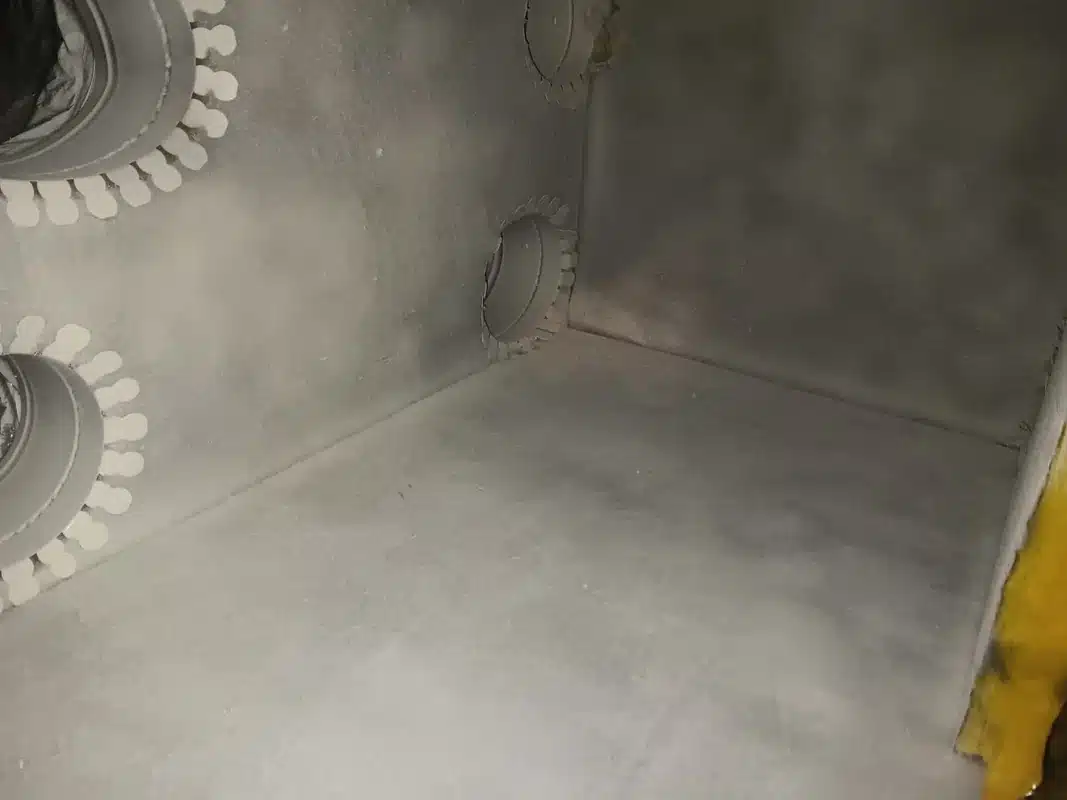
The most important best practice in commercial duct cleaning is full-system accountability. Cleaning only part of the system can redistribute contaminants rather than remove them. We approach every project as a system-wide process, not a vent-by-vent task. Quality service aligned with NADCA ACR standards typically includes:
- Establishing negative pressure with a HEPA-filtered vacuum collection device rated at 99.97% efficiency at 0.3 microns.
- Mechanical agitation using rotary brush systems, skipper balls, or compressed air whips to dislodge adhered debris.
- Cleaning of air handling units, blower assemblies, drain pans, and accessible evaporator coils.
- Sealing access panels to SMACNA standards after service to maintain system integrity.
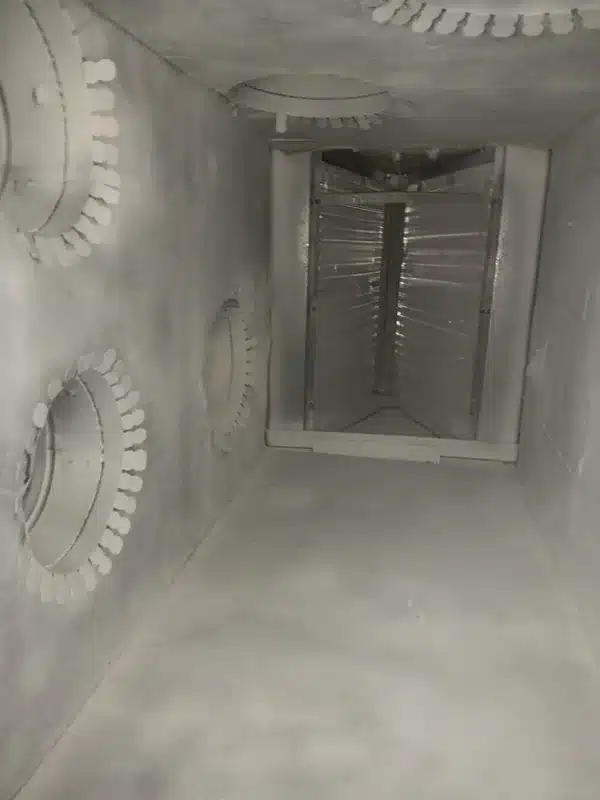
- Before-and-after photo documentation for verification.
How to Evaluate Costs, Scope, and Return on Investment
A realistic air duct cleaning cost breakdown for commercial properties varies widely based on building size and system complexity. Small office spaces may see pricing that typically starts around $0.20 to $0.35 per square foot. Larger facilities with multiple air handlers, rooftop units, or specialized filtration can range from $0.30 to $0.60 per square foot or more. Pricing may fluctuate based on:
- Site complexity: Number of air handling units, ceiling access limitations, after-hours work requirements.
- Material and system conditions: Presence of internal duct liner, fiberglass insulation, or microbial contamination.
- Total scope: Inclusion of coils, blower motors, dampers, and filter housing cleaning.
Get a Clear, Itemized Cost Assessment
If you are reviewing proposals or preparing next year’s facilities budget, now is the time to get clarity and control over your air duct cleaning investment. Air Duct Cleaning Titans delivers detailed, itemized assessments tailored to your specific building, so you know exactly where your money goes and why it matters. Our specialists evaluate system size, access points, air handling units, and contamination levels to define a precise scope of work and realistic timeline. The result is improved airflow, protected HVAC equipment, healthier indoor air, and documented cleaning aligned with recognized industry standards. Do not wait for declining air quality, rising energy bills, or unexpected system failures to force your hand. A proactive assessment today can prevent costly repairs tomorrow and strengthen tenant satisfaction. Schedule your on site walkthrough now and receive a transparent, customized cost breakdown designed to support your operational and financial goals.
FAQs
What does a commercial air duct cleaning typically include?
A comprehensive commercial air duct cleaning should address the entire HVAC air distribution system, not just supply vents. That includes supply and return ductwork, branch lines, diffusers, grilles, air handling units, blower assemblies, drain pans, and accessible evaporator coils. Professional providers follow NADCA’s ACR Standard, which requires source removal methods under negative pressure using HEPA-filtered equipment. In practical terms, technicians create access openings, connect high-powered vacuum collection devices, and use mechanical agitation tools such as rotary brushes or compressed air whips to dislodge debris. The goal is physical removal – not simply pushing dust downstream. Businesses should also expect before-and-after photo documentation and proper resealing of access panels to maintain system efficiency. If a proposal only references vent cleaning without mentioning air handlers or negative pressure containment, it likely does not represent a full-system cleaning.
How often should a business schedule air duct cleaning?
Frequency depends on building use, occupant density, operating hours, and overall filtration practices. Office environments that use high quality MERV rated filters and follow a consistent HVAC maintenance schedule may only require professional duct cleaning every three to five years. In contrast, facilities such as medical offices, laboratories, manufacturing plants, food processing sites, or buildings with elevated particulate levels often benefit from more frequent inspections and cleaning. Construction activity, renovations, or recent tenant improvements can also introduce debris that justifies earlier service. Rather than relying on a fixed timeline, a condition based approach is typically more effective. Warning signs may include visible dust discharge from supply diffusers, rising static pressure readings, uneven airflow, persistent musty odors, or filters that clog sooner than expected. Occupant complaints about air quality can also signal hidden buildup. Coordinating duct inspections with annual HVAC preventive maintenance visits is both practical and cost effective. During routine service, technicians can evaluate coil cleanliness, drain pan condition, blower components, and accessible duct interiors to determine whether cleaning is warranted before airflow efficiency or energy performance is significantly reduced.
What factors most affect the overall cost?
Commercial air duct cleaning costs can vary significantly based on the size of the HVAC system, the layout of the building, and the overall condition of the ductwork. For smaller commercial facilities, projects may begin at a few thousand dollars. Larger properties, multi unit buildings, medical facilities, or industrial sites can see substantially higher costs due to increased labor, equipment, and time requirements. Every property is different, which is why pricing is typically determined after a detailed inspection. Three primary factors influence the final investment:
- Site complexity: Buildings with limited ceiling access, multiple rooftop units, confined mechanical rooms, or work that must be completed during evenings or weekends often require additional labor hours and coordination.
- Material and contamination levels: Duct systems with internal insulation, visible microbial growth, excessive dust buildup, or construction debris may require specialized containment procedures and advanced cleaning methods.
- Total scope: Expanding the project to include air handlers, evaporator coils, dampers, registers, and filtration components increases both time and equipment needs.
Can our maintenance staff handle duct cleaning instead of hiring professionals?
In house maintenance teams can effectively manage routine HVAC upkeep, including air filter replacement, grille and diffuser cleaning, belt checks, and basic visual inspections of accessible ductwork. These tasks help maintain day to day performance and can reduce minor buildup before it becomes problematic. However, comprehensive duct cleaning is a far more complex process that requires specialized negative pressure vacuum systems, mechanical agitation devices, and trained technicians who follow NADCA standards. Without proper containment barriers and HEPA filtered equipment, disturbing accumulated dust and debris can spread contaminants into occupied areas and negatively affect indoor air quality. Commercial HVAC systems also contain components such as fire dampers, variable air volume boxes, control wiring, and internally insulated duct liners that must be handled with precision. Improper methods can damage these elements or disrupt system balance. In some cases, incorrect cleaning practices may void manufacturer warranties on coils, motors, or other mechanical parts. While in house teams are well suited for limited surface cleaning, professional duct cleaning services deliver documented results that support airflow efficiency, regulatory compliance, and long term equipment reliability.
What warning signs indicate our ducts need attention?
Business owners should pay close attention to both system performance and occupant comfort when evaluating the condition of their ductwork. Uneven airflow between rooms, hot and cold spots, or spaces that never seem to reach the thermostat setting often point to airflow restrictions inside the ducts. Persistent dust buildup on desks, shelving, and return grilles even after routine cleaning can indicate that debris is circulating through the system. Musty or stale odors when the HVAC system starts up may suggest accumulated contaminants or moisture issues within the duct network. An increase in allergy symptoms, respiratory irritation, or comfort complaints from employees or tenants is another important warning sign. From a mechanical standpoint, rising static pressure readings, clogged filters that require more frequent replacement, and visible dust on blower assemblies are operational red flags. If dust quickly reappears on supply diffusers shortly after cleaning, internal buildup is likely present. Water stains near duct seams or around drain pans can create conditions that promote microbial growth. Scheduling a professional inspection when these indicators appear helps prevent costly repairs, protects critical components, improves energy efficiency, and supports a healthier indoor environment.
What common problems are found during commercial duct inspections?
During inspections, we frequently encounter disconnected joints, loose or missing access panels, deteriorated internal insulation, and heavy debris accumulation near turning vanes or dampers. Construction debris left inside ductwork after renovations is another recurring problem that often goes unnoticed for months. We also identify improperly sealed access points and gaps at connections that allow conditioned air to escape into ceiling cavities or mechanical spaces, which reduces system efficiency and increases operating costs. In some buildings, neglected drain pans and moisture intrusion contribute to microbial growth that can spread through return ducts and compromise indoor air quality. Over time, these conditions place additional strain on air handling equipment and reduce overall system reliability. Identifying deficiencies early allows building owners and facility managers to take corrective action before issues escalate into equipment failure, comfort complaints, or costly emergency repairs. A structured inspection process that includes photographic documentation, airflow measurements, and static pressure testing provides clear, objective data to support maintenance planning, capital budgeting, and long term performance improvements.
What should we look for when hiring a duct cleaning contractor?
Look for contractors who follow recognized industry standards such as NADCA’s ACR Standard and who can clearly explain every step of their cleaning methodology. A reputable provider should be able to describe how they assess system condition, protect occupied areas, and prevent cross contamination during the process. Ask whether they use HEPA filtered negative pressure equipment along with mechanical agitation tools to dislodge debris from duct surfaces. It is also important to verify proper insurance coverage, worker safety training, and direct experience with commercial HVAC systems, not just residential properties. Commercial systems are larger and more complex, requiring specialized knowledge. Request a detailed written scope of work that identifies which components will be cleaned, including supply and return ducts, coils, drain pans, and air handling units. The scope should also explain how access openings will be created and properly sealed after cleaning. Reputable contractors should provide before and after images, maintenance recommendations, and references from other commercial clients. If pricing seems unusually low, ask for clarification about exclusions or shortcuts. Transparent documentation, realistic timelines, and clear technical explanations indicate professionalism and a strong understanding of commercial system performance.
When should duct cleaning be scheduled urgently versus routinely?
Air duct cleaning is rarely considered an emergency service, yet certain conditions call for prompt attention and quick scheduling. Following major renovations or construction work, fire or smoke incidents, water intrusion, or confirmed microbial contamination, duct cleaning should take place before the HVAC system resumes full operation. Contaminants introduced during these events can circulate throughout the building and compromise indoor air quality if not addressed quickly. In addition, if occupants notice persistent odors, visible dust or debris blowing from vents, or a marked reduction in airflow, an inspection should be arranged as soon as possible to prevent unnecessary strain on HVAC components and to maintain comfort. For non urgent situations, it is often best to coordinate duct cleaning with routine preventive maintenance to reduce operational disruption and downtime. Immediate interim measures may include replacing air filters, checking drain pans for standing water, confirming that access panels are properly sealed, and visually inspecting accessible duct sections. After these steps, schedule a professional evaluation to determine whether a full system cleaning is necessary. Early action helps protect equipment performance, maintain healthy indoor conditions, and reduce the likelihood of tenant complaints or costly repairs.