

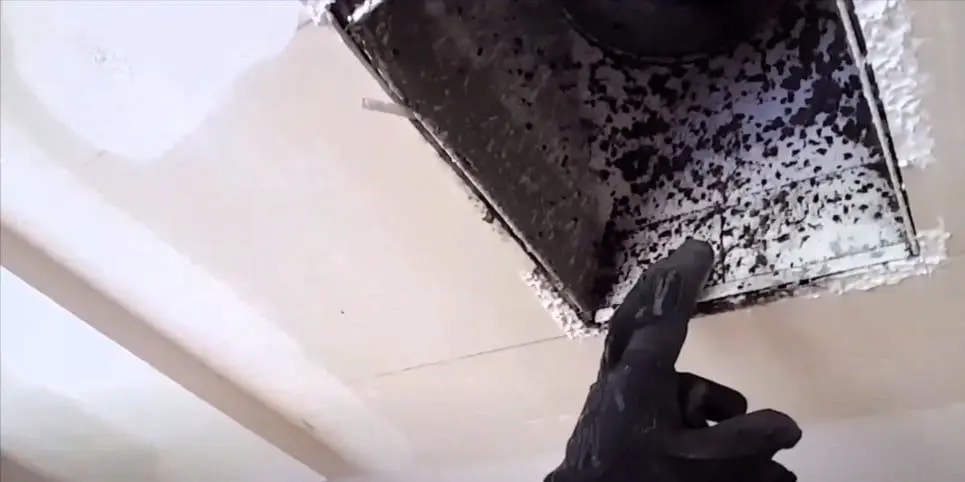
Are you noticing strange smells when you turn on your heating or cooling system? Maybe you’re experiencing unexplained allergies or respiratory issues? The culprit might be lurking inside your ventilation system. Mold in air ducts is a common problem that many homeowners face, yet few understand how serious it can be. Not only can it compromise your indoor air quality, but it can also damage your expensive HVAC equipment. Detecting mold in air ducts early can save you thousands in repairs. Let’s explore how this fungal invader affects your home and what you can do about it.
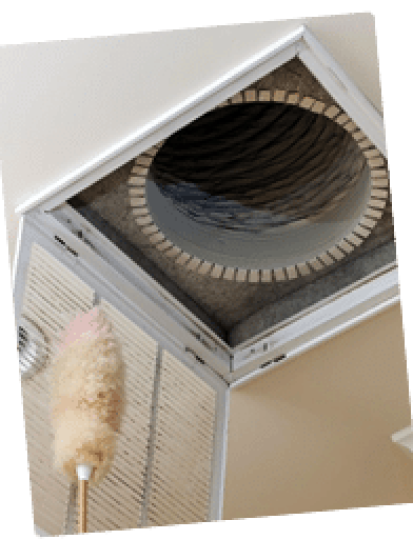
The Hidden Dangers of Mold in Air Ducts
You might think that a little fungal growth in your ventilation system isn’t a big deal, but you’d be wrong. Mold in air ducts can cause significant health problems, especially for people with allergies, asthma, or compromised immune systems. When your HVAC runs, it can spread spores throughout your entire home. The presence of mold in air ducts is particularly concerning because it’s hidden from view yet affects every room.
These microscopic particles can trigger respiratory issues, headaches, fatigue, and even skin irritation. Children and elderly folks are particularly vulnerable to these effects. What makes this situation worse is that many homeowners don’t realize they have a problem until they’re already experiencing symptoms. By then, the contamination has usually spread extensively through the ductwork. Dealing with mold in air ducts promptly is essential for your family’s health.

Common Signs Your HVAC System Has a Fungal Problem
Spotting a fungal problem early can save you money and protect your family’s health. If your energy bills are suddenly higher, your system might be working harder because of restricted airflow caused by growth in the vents. Another red flag is if some rooms feel stuffier or have poorer air circulation than others. Mold in air ducts often causes these inconsistencies in your home’s comfort level.
Pay attention to any musty or earthy smells when your system kicks on. This is often the first noticeable sign of mold in air ducts. Also watch for unexplained allergy symptoms that seem to get worse when you’re at home or when the heating or cooling system is running. If family members are experiencing persistent coughs, watery eyes, or sore throats, your ventilation system might be the source. Testing for mold in air ducts might be necessary if these symptoms persist.
Visual and Odor Indicators of Mold in Air Vents
The most obvious indicators are visible signs of contamination around your supply registers or return vents. Look for fuzzy or discolored patches near these openings. Colors can range from white and green to black and brown, depending on the type of fungal growth present in your system. Mold in air ducts is often first spotted at these entry and exit points.
Remove a vent cover and shine a flashlight inside. If you see dark patches or notice a layer of dust that seems damp or clingy, you might have mold in the air ducts. Also, pay attention to any condensation or moisture around your vents, as damp environments are breeding grounds for fungus. Don’t forget to trust your nose – that distinctive musty odor is often your first warning sign of a problem developing in hard-to-see areas.

How Fungal Growth in Ductwork Affects Indoor Air Quality
Did you know we spend about 90% of our time indoors? That makes indoor air quality incredibly important to our overall health. When fungal colonies take hold in your ventilation system, every time your fan runs, it distributes spores throughout your living space, compromising the air you breathe. Mold in air ducts essentially turns your HVAC system into a distributor of allergens.
These microscopic particles can settle on furniture, bedding, and even food. Some varieties of fungus produce mycotoxins, which are potentially harmful compounds that can cause serious health issues with long-term exposure. Beyond health concerns, poor indoor air quality can make your home feel less comfortable, with lingering odors and stuffiness that’s hard to eliminate without addressing the root cause in your ductwork. Addressing mold in air ducts should be a priority for anyone concerned with their home’s air quality.
What Causes Mold in Air Ducts?
Understanding what causes mold in air ducts helps you prevent future problems. The main culprit is moisture. Your HVAC system naturally produces condensation, especially during hot, humid weather. If this moisture doesn’t drain properly, it creates perfect conditions for fungal growth. Mold in air ducts commonly starts in areas where this moisture accumulates.
Poor insulation around ductwork can also lead to condensation when warm air meets cold surfaces. Leaky pipes or roof issues near your ventilation system can introduce water into your ducts. Here are the most common causes of moisture problems in HVAC systems:
- Do you use negative air pressure or positive air pressure methods?
- Will you seal off vents to prevent dust from entering living spaces?
- How do you protect floors and furniture during the work?
- Do you offer antimicrobial treatment for mold prevention?
- What's included in your standard service package?
Living in humid climates increases your risk, but even in drier areas, seasonal changes can create conditions favorable for fungal growth in your ventilation system. Regular inspections can help catch mold in air ducts before it becomes widespread.
DIY Steps to Remove Fungal Contamination from Your HVAC System
For minor cases of mold in air ducts, you might be able to handle the cleanup yourself. Start by turning off your HVAC system completely. Then, put on protective gear, including gloves, eye protection, and an N95 respirator mask to avoid breathing in spores. Properly addressing mold in air ducts requires careful attention to safety protocols.
Remove and clean all vent covers with a solution of one part white vinegar to one part water. For visible contamination near the openings of your ducts, use the same solution on a soft brush. Be careful not to damage the ductwork. Replace your air filter with a high-quality option rated for allergen reduction, and consider using a HEPA filter if your system can accommodate one. This helps capture spores from mold in air ducts that might be circulating.
For the central ductwork, you can use a vacuum with a HEPA filter and a long hose attachment to reach inside and remove loose spores and debris. However, keep in mind that DIY cleaning typically only addresses problems near the openings. Deep contamination in your system usually requires professional help. Extensive mold in air ducts generally needs expert attention.
When to Call a Professional for Duct Cleaning
While minor fungal issues might be manageable on your own, extensive mold in air ducts calls for professional intervention. If the contamination covers more than 10 square feet, if you’ve had water damage, or if anyone in your home has severe allergies or respiratory conditions, it’s time to call the experts.
Professional duct cleaners have specialized equipment that can reach deep into your ventilation system. They use powerful vacuums with negative pressure to ensure spores don’t spread during cleaning. They also have cameras to inspect areas you can’t see. Look for professionals certified by the National Air Duct Cleaners Association (NADCA) who follow proper protocols.
A good duct cleaning service will not only remove existing contamination but also apply antimicrobial treatments to prevent regrowth. They can identify and fix underlying moisture issues that caused the problem in the first place. The investment in professional cleaning can save you money in the long run by preventing damage to your expensive HVAC system.
Preventing Future Fungal Issues in Your Ventilation System
Prevention is always easier and cheaper than dealing with a full-blown fungal infestation in your ductwork. Regular maintenance of your HVAC system is your first line of defense. Change your air filters every 1-3 months, depending on your system’s requirements and your home’s conditions. This simple step can significantly reduce the chances of mold in air ducts developing.
Keep indoor humidity levels between 30-50% by using dehumidifiers if necessary, especially during warm, humid months. Make sure your drip pans and condensate lines are clean and draining properly. Consider having your ducts professionally sealed if you suspect air leaks, as these can cause condensation when warm and cold air meet.
Schedule regular professional inspections of your HVAC system, ideally twice a year before heating and cooling seasons. A qualified technician can spot early signs of moisture problems before they lead to fungal growth. Remember that preventing mold in air ducts not only protects your family’s health but also extends the life of your expensive HVAC equipment.
Frequently Asked Questions
How can I tell if the black stuff in my vents is actually mold or just dust?
Unlike regular dust, fungal growth usually appears patchy and can be fuzzy or slimy in texture. It often has a distinct musty smell. Regular dust is generally gray and evenly distributed. If you’re unsure, you can purchase a home testing kit or have a professional inspection. The safest approach is to assume any suspicious growth might be fungal and handle it accordingly.
Will running my air conditioner help reduce humidity and prevent mold?
Yes, air conditioners naturally dehumidify your home when working correctly. However, if your unit is oversized for your space, it might cycle on and off too quickly to effectively remove humidity. Make sure your system is properly sized and maintained. In very humid climates, you might need a separate dehumidifier to keep moisture levels optimal.
How often should I have my air ducts professionally cleaned?
The EPA doesn’t recommend routine duct cleaning unless there’s evidence of contamination or debris. However, most experts suggest having your ducts inspected every 3-5 years. If you have pets, allergies, or live in a humid climate, more frequent cleaning (every 2-3 years) might be beneficial. Always schedule a cleaning after home renovations or if you see signs of moisture or fungal growth.
Can I use bleach to clean mold in my air ducts?
Bleach isn’t recommended for duct cleaning. It can damage ductwork materials and doesn’t penetrate porous surfaces effectively. The fumes can also be harmful when circulated through your HVAC system. Better alternatives include hydrogen peroxide, vinegar solutions, or EPA-approved antimicrobial products specifically designed for HVAC systems. For serious contamination, professional cleaning is safer and more effective.
Will my homeowner's insurance cover mold remediation in my HVAC system?
It depends on your policy and what caused the fungal growth. Many standard homeowner’s insurance policies exclude mold damage or have limited coverage. If the growth resulted from a sudden, covered event like a pipe burst, you might be covered. However, damage from ongoing humidity issues or poor maintenance is typically excluded. Check your policy details and consider adding specific mold coverage if you live in a high-risk area.
How much does professional duct cleaning cost if I have mold?
The cost varies depending on your location, the size of your system, and the extent of contamination. Basic duct cleaning ranges from $300-$500, but professional remediation with antimicrobial treatment for fungal issues typically costs $1,000-$3,000. Extensive infestations might cost more. Always get multiple quotes from certified professionals, and make sure they provide a detailed scope of work before hiring.
How do you get rid of mold in HVAC Systems?
To eliminate mold in HVAC systems, turn off your unit, wear protective gear, and clean accessible areas with a vinegar solution. Replace air filters and clean vents. For extensive contamination, hire NADCA-certified professionals who use specialized equipment, negative pressure vacuums, and antimicrobial treatments to fully remediate the problem.
What are some signs of mold spores in your air ducts?
Signs include musty odors when your system runs, visible dark or discolored patches around vents, increased allergy symptoms like coughing or watery eyes, unexplained respiratory issues that improve when away from home, higher energy bills, inconsistent airflow between rooms, and condensation or moisture around air vents.