
How Often Should Air Ducts Be Cleaned? Climate-Based Recommendations
February 17, 2026
- By
- David Thompson
- HVAC Systems Specialist
You change your air filter, keep your home tidy, and still notice dust settling on furniture just days later. Maybe your allergies flare up every time the heat or AC turns on, leaving you wondering what you are missing. At Air Duct Cleaning Titans, we have spent years diagnosing these exact concerns, and they often trace back to one overlooked system: the ductwork that circulates air throughout your home. We regularly inspect homes where vents appear spotless on the surface but conceal layers of dust, pet dander, and debris only inches inside the ducts. Many homeowners assume air ducts only require cleaning after a major renovation or construction project. In reality, your local climate plays a significant role in how quickly contaminants build up. High humidity levels can encourage microbial growth, while dry and dusty regions allow fine particles to accumulate rapidly. Homes with pets or heavy foot traffic may see even faster buildup. Understanding the top air duct cleaning benefits begins with recognizing how your specific environment, lifestyle, and HVAC usage patterns influence the frequency of needed service.
How Proper Methods Protect Your System and Health
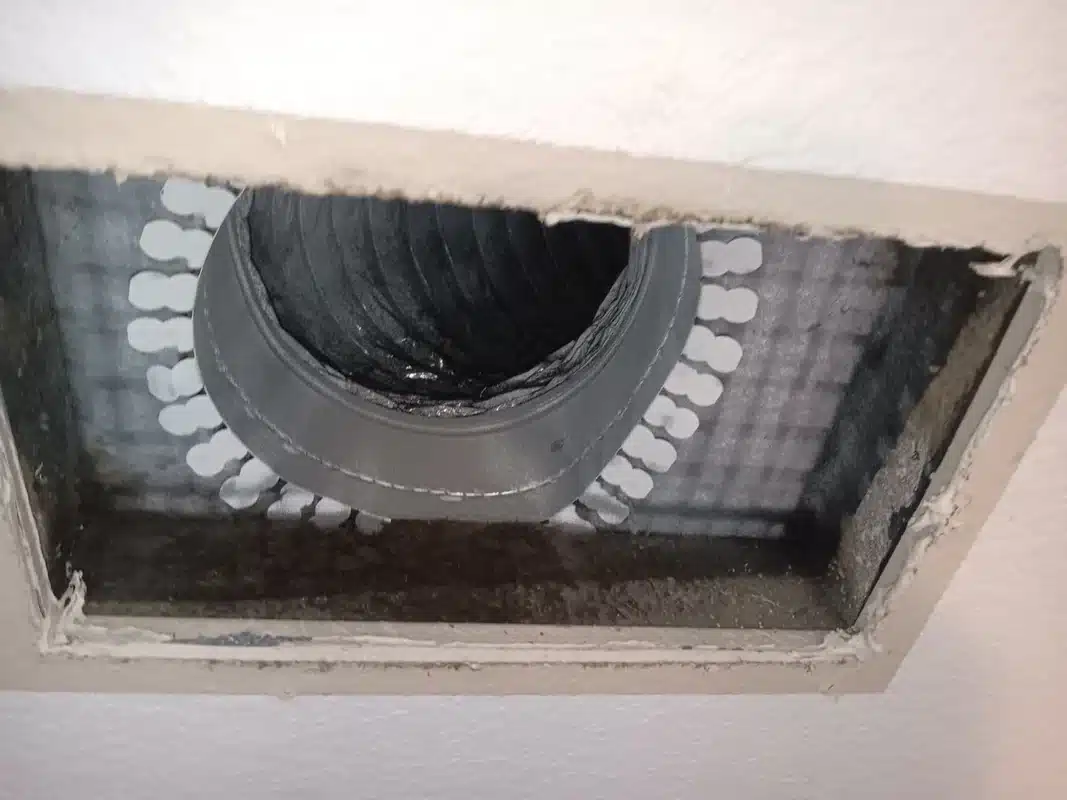
A thorough duct cleaning is more than inserting a vacuum hose into a vent. The most important best practice is source removal: physically dislodging debris while the system is under negative pressure. NADCA’s ACR Standard outlines this process clearly, and reputable providers follow it closely. Professional service should include:
- Establishing negative pressure with a HEPA-filtered vacuum collection unit.
- Mechanical agitation using rotary brush systems or compressed air whips.
- Cleaning of supply and return trunks, not just visible branch lines.
- Blower motor, evaporator coil surface, and drain pan inspection.
- Sealing access panels to SMACNA standards after service.
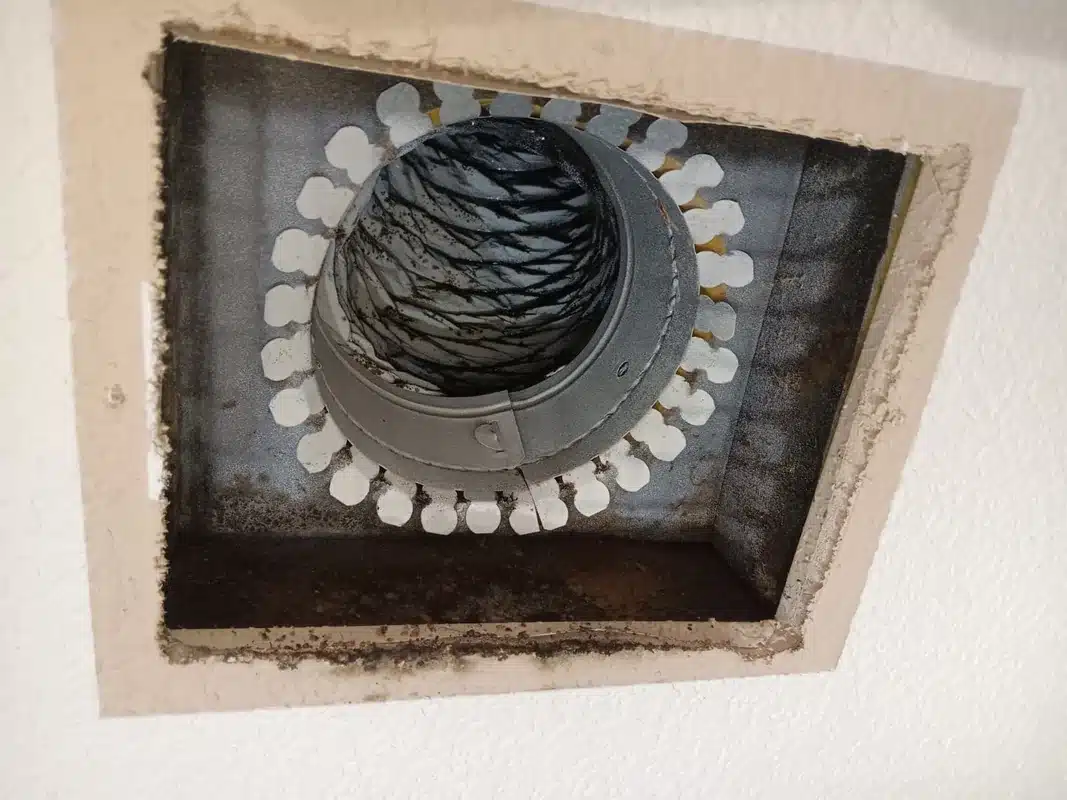
Recommended Intervals by Environment and Usage
The answer to how often should air ducts be cleaned in different climates depends largely on moisture, airborne particulates, and HVAC runtime.
- Humid climates: Every 2 – 3 years, especially if indoor humidity exceeds 55%. Use a hygrometer to monitor levels and consider a whole-home dehumidifier.
- Dry, dusty climates: Every 2 – 4 years due to fine dust infiltration. Upgrade to MERV 11 – 13 filters if your system supports the added static pressure.
- Temperate climates with minimal dust: Every 3 – 5 years under normal occupancy.
- Homes with pets, smokers, or recent renovations: Inspection every 2 years regardless of climate.
Schedule a Climate-Based Duct Assessment
If you’re unsure whether your ducts are overdue for cleaning, the most reliable next step is a professional inspection. We evaluate humidity levels, system condition, visible debris, and airflow performance before recommending any service. That approach prevents unnecessary cleanings while addressing real contamination risks. A detailed assessment provides clarity on timing, cost expectations, and preventive steps tailored to your climate and household conditions. Whether you live in a humid environment prone to mold or a dry region with heavy dust, we align our recommendations with recognized industry standards and your system’s manufacturer guidelines. Book an inspection and get a clear, evidence-based plan for your home’s air quality.
FAQs
How often should air ducts be cleaned in different climates?
Most homes fall within a 3 – 5 year cleaning cycle, but climate shifts that range. In humid environments where relative humidity frequently exceeds 55%, ducts may need cleaning every 2 – 3 years to reduce the risk of microbial growth inside insulation or on metal surfaces. In dry, dusty climates, fine particulates can accumulate faster, making a 2 – 4 year interval more practical. Temperate regions with low dust and balanced humidity often remain closer to the 3 – 5 year baseline. Household factors matter just as much as climate. Pets, smokers, high occupancy, or recent remodeling can shorten the interval. We recommend scheduling a visual inspection every two to three years even if full cleaning is not yet required. A camera inspection and static pressure test provide better guidance than relying solely on time passed.
Does high humidity increase the need for duct cleaning?
Yes, elevated humidity can significantly increase the need for duct cleaning and ongoing maintenance. When relative humidity inside ductwork remains above 60 percent for extended periods, condensation can develop on cooler metal surfaces, especially near evaporator coils and uninsulated supply sections. This moisture creates an ideal environment for mold and mildew to grow on accumulated dust and debris lining the ducts. In humid climates, air conditioning systems often run for long seasons, increasing total airflow hours and raising the likelihood of condensation forming within the system. Over time, this combination of moisture and organic particles can contribute to microbial contamination and unpleasant odors. During inspections, we measure humidity levels in mechanical rooms, attics, and crawl spaces, and we evaluate insulation around supply trunks and return ducts to identify areas at risk. If microbial growth is confirmed, thorough cleaning paired with humidity control is essential. Cleaning alone will not solve the problem if excess moisture remains. Installing a whole home dehumidifier, sealing air leaks, or upgrading duct insulation can reduce future cleaning frequency and help protect indoor air quality.
What does professional air duct cleaning typically cost and how long does it take?
Professional air duct cleaning services generally begin around $400, with total costs commonly ranging from $400 to $1,200 or more depending on the size and configuration of the home. Larger properties, especially those with multiple HVAC systems or extensive duct networks, can exceed this range due to the additional labor and equipment required. For an average sized home, a comprehensive cleaning performed in accordance with NADCA standards typically takes between 3-5 hours to complete. Several factors influence the final price. Homes with complex duct layouts, multiple trunk lines, or hard to access components require more time and specialized tools. If ductwork contains contaminated, deteriorated, or damaged insulation, additional remediation or replacement may be necessary. Services such as evaporator coil cleaning, blower motor servicing, or sanitizing treatments can also expand the scope of work and increase overall costs. These figures serve as general benchmarks for budgeting purposes only and should not be considered a firm quote. A detailed on site inspection is essential to assess system condition, layout complexity, and specific service needs before providing a final written proposal.
Can homeowners clean air ducts themselves?
Homeowners can manage basic HVAC maintenance tasks such as removing and washing vent covers, vacuuming visible dust with a HEPA rated shop vacuum, and replacing air filters on a consistent schedule. These simple steps help reduce surface level debris and improve short term airflow, but they do not address contamination that settles deep inside the ductwork. Over time, dust, allergens, and other particles accumulate within trunk lines and branch ducts where household tools cannot effectively reach. Professional duct cleaning equipment relies on powerful negative air machines that generate thousands of CFM to create strong suction throughout the entire system. Technicians also use rotary brush systems and compressed air whips to loosen stubborn buildup that clings to interior duct surfaces. Without this specialized equipment, debris may only be partially removed or pushed further into the system. In some cases, do it yourself attempts have forced dust into the blower compartment, increasing strain on the motor and reducing efficiency. If there are signs of mold growth, pest activity, or heavy post-construction debris, professional service is strongly recommended. DIY cleaning should be viewed as routine upkeep rather than a substitute for comprehensive duct cleaning.
What warning signs indicate my ducts need cleaning sooner?
Several warning signs suggest your ducts may need cleaning sooner than the typical maintenance schedule. Persistent musty or stale odors when the HVAC system is running often indicate trapped moisture, dust accumulation, or possible microbial growth inside the ductwork. If you notice visible dust or debris blowing out of supply registers when the system starts, this is a strong indication that buildup has exceeded normal levels. Increased allergy or asthma symptoms when heating or cooling cycles begin can also point to contaminants being circulated throughout the home. Another common red flag is excessive dust settling on furniture and surfaces shortly after cleaning, which may mean your ducts are continuously redistributing particles. Homeowners should also look for dark streaks or smudges around vent covers, as these can signal air leakage that pulls insulation particles or crawlspace dust into the system. Following home renovations, drywall sanding, flooring installation, or major construction projects, duct cleaning is often recommended regardless of your usual timeline. Scheduling a professional inspection at the first sign of trouble can help prevent more serious indoor air quality concerns and improve overall HVAC efficiency.
What are common problems found during duct inspections?
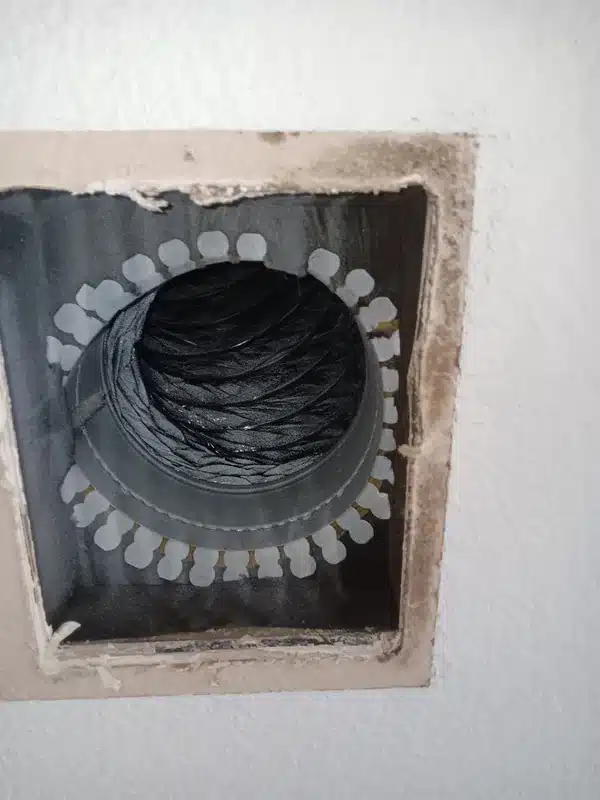
During inspections, we frequently uncover disconnected joints, deteriorated flex duct runs, and unsealed return plenums that draw unfiltered air from attics or crawlspaces into the living space. These gaps allow dust, insulation fibers, pests, and other contaminants to enter the system and circulate throughout the home. In humid climates, microbial growth around evaporator coils and inside poorly insulated ductwork is a common concern due to persistent condensation. In dry regions, we often see heavy dust buildup, loose debris from insulation breakdown, and fine particulates that accumulate over time. Another recurring issue is improper filter sizing, which creates bypass gaps that let air flow around the filter instead of through it. Even a high MERV rated filter cannot perform effectively if it is not fitted correctly. Crushed, kinked, or sagging flex duct restricts airflow, increases static pressure, and forces HVAC equipment to work harder than necessary. Addressing these mechanical deficiencies often delivers greater indoor air quality improvements than duct cleaning alone. A thorough inspection evaluates contamination levels, airflow performance, and the overall structural integrity of the duct system.
What should homeowners look for when hiring a duct cleaning company?
Homeowners should carefully verify that any air duct cleaning company follows NADCA standards and employs properly trained and certified technicians. It is important to ask detailed questions about the equipment and process they use. Reputable providers rely on negative air machines equipped with HEPA filtration, along with mechanical agitation tools that dislodge debris from duct surfaces rather than simply blowing air through the system. Confirm that the company carries active liability insurance and provides clear, written estimates that outline the full scope of work. A thorough provider will inspect the entire HVAC system before offering a final quote and will explain their findings using photos or video documentation. Be cautious of extremely low advertised prices, as these often cover only a small number of vents and exclude critical components. Comprehensive service should include trunk lines, return ducts, blower assemblies, and proper sealing of access panels. Professional setup practices, such as protecting floors and sealing registers during cleaning, also indicate a commitment to quality and long term system performance.
When is duct cleaning urgent versus routine?
Duct cleaning is generally considered a preventive service rather than an emergency response. In most homes, it can be scheduled at a convenient time as part of routine HVAC maintenance. However, there are specific situations where prompt attention is warranted to protect indoor air quality and system performance. Visible mold growth inside ductwork or on HVAC components should be evaluated quickly by a qualified professional. Confirmed pest infestations, such as rodents or insects nesting in ducts, also require timely cleaning and sealing to prevent contamination and recurring problems. After major renovations or construction projects, dust and debris can accumulate inside the duct system and circulate throughout the home, making a thorough cleaning advisable. You should also act quickly if you notice a persistent musty odor when the system runs, unexplained allergy flare ups that coincide with HVAC operation, or visible particles blowing from supply vents. In these cases, schedule an inspection within days rather than postponing for months. As a temporary measure, replace the air filter with a high quality option and limit continuous system use if strong odors are present. Ongoing maintenance, moisture control, proper filtration, and sealing air leaks all help reduce the likelihood of sudden contamination issues and extend the life of your HVAC system.