
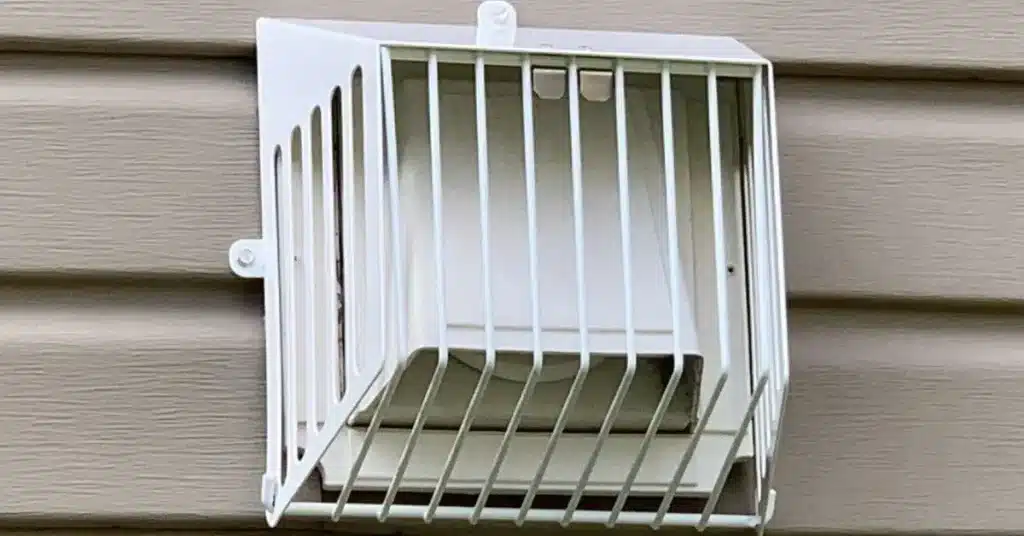
Choosing the right equipment for your home maintenance sometimes feels tricky. You want your home to be safe and energy-efficient without spending a fortune. A proper dryer vent cover for exterior walls is actually a massive part of that equation. Many homeowners overlook this small piece of hardware until a problem pops up. That might be a draft, a pest issue, or a lint clog that creates a fire hazard. We want to help you avoid those headaches entirely. Finding the perfect cover ensures your dryer runs smoothly and your home stays safe. Let’s dive into what you need to know to make the best choice.
Understanding Why You Need A Good Dryer Vent Cover For Exterior Walls
You might wonder if this specific part really matters that much. The answer is a massive yes. A quality dryer vent cover for exterior walls serves as the gatekeeper for your home’s ventilation system. It allows hot, moist air to escape while stopping outside elements from getting in. If you have an old or broken cover, your dryer has to work much harder. This extra work wastes electricity and wears out your appliance faster.
Beyond efficiency, this component is critical for safety. A blocked or poorly designed dryer vent cover for exterior walls traps lint in the hose. We all know that trapped lint is a major fire risk. Also, if the flap stays open, rain or snow can enter your wall. This moisture leads to mold and rot inside your structure. Getting the right dryer vent cover for exterior walls protects your biggest investment from these silent damages.

Material Matters: Choosing Between Plastic And Metal
When you shop for a new dryer vent cover for exterior walls, you will see two main materials. You can choose between plastic or metal options. Each type has its own pros and cons depending on your climate and budget. Plastic is very common because it is affordable and usually rust-proof. However, plastic can become brittle over time when exposed to harsh sunlight or freezing temperatures.
Metal covers usually cost a bit more upfront but offer better longevity. They resist cracking and can handle heat much better than plastic models. If you live in an area with intense weather, metal is usually the smarter pick. You want a dryer vent cover for exterior walls that you can install and forget about for years.
Why Stainless Steel Is Often The Best Choice
If you want durability, go with a stainless steel model. These covers look sleek and resist corrosion incredibly well. A steel dryer vent hood can withstand stronger winds and heavier impacts better than aluminum or plastic. They also do not fade or crack under UV rays as some plastics do. This makes them a solid, long-lasting investment for any home.
When A Durable Plastic Vent Cap Makes Sense
Plastic is not always a bad choice, especially for budget projects. A durable plastic vent cap works well in mild climates where hail or extreme freeze is rare. They are often easy to install and lightweight. Just make sure to check them annually for cracks. If you need a quick fix or a wall mount solution, plastic gets the job done.

Styles of Vent Covers And Airflow Efficiency
The design of your dryer vent cover for exterior walls changes how air moves. You need maximum airflow to dry clothes quickly. If the design restricts air, your dryer runs longer and gets hotter. Some covers have a single hood, while others use slats. The goal is to let the dryer exhaust escape freely while keeping the opening sealed when not in use.
You also need to consider lint buildup with different styles. Some designs trap more lint than others at the exit point. A good dryer vent cover for exterior walls minimizes resistance. This keeps your energy bills lower and your clothes looking better. Always prioritize a design that promotes strong ventilation and reduces back pressure in the duct.
Louvered Options And Flapper Styles
Louvered vents are very popular for good reason. They feature slats that open when air pushes out and close when the cycle stops. This keeps drafts out effectively. However, the louver style can sometimes catch lint on the hinges. You need to keep an eye on them to ensure they close all the way. A flapper style is a single hood piece that lifts up. These are great because they are less prone to snagging lint.
Sizing And Installation of Your Dryer Vent Cover For Exterior Walls
Getting the size right is step one for installation. Most standard residential dryers require a 4-inch dryer vent cover. This matches the standard 4-inch ducting found in most walls. If you try to use the wrong size, you will have leaks and poor flow. You might see a 6-inch option, but that is usually for range hoods, not dryers.
The installation process is usually straightforward for DIYers. You will need to remove the old caulk and unscrew the old unit. Connect your new dryer air outlet to the ductwork carefully. Secure the new dryer vent cover for exterior walls with a screw kit and seal the edges with exterior caulk. This prevents water from sneaking behind the siding.
- Here is a quick checklist for the job:
- Measure your exterior wall vent hood outlet twice before buying.
- Clean the area around the hole thoroughly.
- Check that the exhaust flows freely before sealing it up.
- Have a screwdriver and silicone caulk ready.
Preventing Pests With The Right Outdoor Dryer Vent Cover
Pests love the warm air that comes from your dryer. A mouse, rat, or squirrel would love to build a nest in that cozy tunnel. A standard outdoor dryer vent cover might not be enough to stop them. Rodents can chew through thin plastic flaps in a single night. Once they are in, they damage the hose and create a fire hazard with their nesting materials.
To stop this, look for a dryer vent cover for exterior walls with pest protection. Some models come with a built-in guard. However, you must be careful with mesh screens. While mesh stops bugs, it also catches lint very quickly. If you use a screen, you must clean it very frequently. A better option is a heavy-duty vent exhaust hood that is too heavy for pests to lift.
Final Thoughts On Your New Dryer Vent Cover For Exterior Walls
Updating this small part of your home makes a big difference. The right dryer vent cover for exterior walls improves safety and lowers utility bills. You stop drafts, prevent water damage, and keep critters outside where they belong. It is a small weekend project that offers a huge return on investment.
Take a look at your current vent today. If it looks cracked, clogged, or flimsy, it is time for a change. Go for a 4-inch model that suits your climate, whether that is heavy steel or sturdy plastic. Installing a fresh dryer vent cover for exterior walls is one of the smartest quick fixes you can do.
Frequently Asked Questions
How often should I clean my dryer vent cover?
You should inspect and clean your vent cover at least once every six to twelve months. If you do much laundry, you might need to check it more often. Look for lint trapped in the louvers or under the hood. If the flaps are stuck open, they need immediate cleaning. Regular maintenance prevents fire hazards and keeps your dryer running efficiently. It only takes a few minutes to wipe it out.
Is it safe to use a mesh screen on my dryer vent?
We generally advise being very careful with mesh screens on dryer vents. While they are great at stopping bugs, they are notorious for catching lint. A clogged screen blocks airflow, which can overheat the dryer and cause a fire. If you must use a mesh screen for pest control, you have to commit to cleaning it every few weeks. A louvered vent or a pest-proof hood without fine mesh is usually the safer low-maintenance option.
Should I use screws or just caulk for installation?
You really should use both for a secure fit. Screws hold the vent cover physically to the wall so it does not fall off in high winds. Caulk is the sealant that stops water and air from getting behind the cover. Without screws, the caulk might fail over time. Without caulk, water can rot your siding. Use stainless steel screws so they do not rust, and finish the job with a high-quality exterior silicone sealant.
Can I paint my plastic dryer vent cover to match my house?
Yes, you can usually paint plastic covers, but you need the right paint. You should use a paint designed specifically for plastic that bonds well. Make sure the paint is also rated for exterior use so it handles the weather. However, keep in mind that paint adds thickness. You must be careful not to paint the hinges or flaps sealed shut. If the flaps stick because of paint, the vent won’t work correctly.
What is the difference between a 4-inch and a 6-inch vent?
The measurement refers to the diameter of the duct pipe opening. Almost all standard residential clothes dryers use a 4-inch duct. A 6-inch duct is typically used for kitchen range hoods or bathroom exhaust fans that move more air. You cannot mix and match these sizes. If you try to put a 4-inch hose on a 6-inch cover, it won’t seal. Always measure the diameter of your existing ductwork before you head to the store.
How do I know if my dryer vent cover is bad?
There are a few clear signs your cover needs replacing. If the plastic is cracked or yellowed from the sun, it is brittle and weak. If the flaps are missing or flapping in the wind when the dryer is off, it’s broken. You might also notice cold drafts coming into your laundry room. Another sign is if you see rust streaks on your siding below a metal vent. Any visible damage means it is time for a new one.