
Air Duct Cleaning vs HVAC Tune-Up: What’s the Difference?
April 24, 2026
- By
- Air Duct Cleaning Titans
- HVAC and Air Quality Specialists
Air Duct Cleaning vs HVAC Tune-Up: What’s the Difference? At Air Duct Cleaning Titans, we’ve been helping homeowners sort out this exact question for years of experience, and we’ve noticed many people assume they’re the same service. They’re not – and choosing the wrong one can leave real problems unresolved. We’ve seen Medford homeowners pay for a tune-up when their issue was actually years of dust buildup inside the ductwork. In one case, airflow was still weak even after a maintenance visit because the supply trunks were packed with debris. If you’re unsure which service fits your system, our air duct cleaning overview breaks down what’s involved before you decide.
How HVAC Tune-Ups Fit Into Local Compliance and System Performance
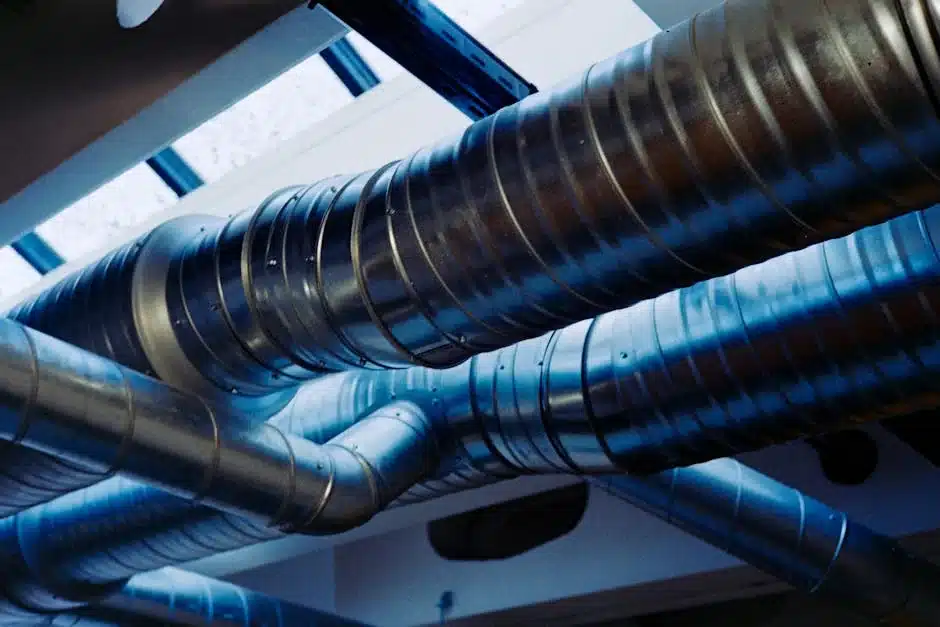
Codes matter in Medford because HVAC systems must operate safely in a climate that brings cold winters and steady seasonal moisture. Improper combustion setup, poor venting, or faulty electrical connections can lead to fire hazards or carbon monoxide risks. Inspectors rely on state-adopted codes to verify installations and significant repairs meet safety standards. An HVAC tune-up focuses on the mechanical equipment itself – furnace, heat pump, or air conditioner. During a tune-up, we test static pressure, inspect the heat exchanger, check refrigerant levels against manufacturer specifications, tighten electrical connections, lubricate motors with manufacturer-approved lubricants, and verify safe combustion where applicable. This service prevents breakdowns and keeps the system operating within design parameters, but it does not remove debris from ductwork.
- Oregon Residential Specialty Code (ORSC) – Current Adopted Edition (Mechanical Chapters) – Governs installation and alteration of residential HVAC equipment, including combustion air, venting, and clearances. Non-compliance can result in failed inspections and safety hazards. Verify the current adopted code edition with the local building department.
- Oregon Mechanical Specialty Code (OMSC) – Current Adopted Edition – Regulates mechanical system installation and modifications, including duct construction and sealing standards. Violations may lead to permit issues and rejected work during resale inspections. Verify the current adopted code edition with the local building department.
- Oregon Energy Efficiency Specialty Code (OEESC) – Current Adopted Edition – Requires proper duct sealing and system efficiency standards to reduce energy waste. Ignoring these provisions can increase operating costs and create compliance issues during renovations. Verify the current adopted code edition with the local building department.
Which Service Solves Your Actual Problem?
Choosing between duct cleaning and a tune-up depends on what’s causing the issue. We’ve seen homeowners schedule repeated tune-ups for dust complaints when the blower compartment was spotless – but the duct interior was coated in debris. Matching the service to the symptom saves time and money.
Pricing may fluctuate based on site complexity, material costs, and total scope. These figures are preliminary benchmarks for informational purposes only and do not constitute a binding quote. An on-site evaluation is required for a final proposal. Which should you choose?
| Criteria | Air Duct Cleaning | HVAC Tune-Up |
|---|---|---|
| Primary Focus | Ductwork and airflow pathways | Mechanical components and performance |
| Main Benefit | Improved airflow and cleaner air | Improved efficiency and reliability |
| Typical Frequency | Every 3 – 5 years (varies) | Annually |
| Time Required | 3 – 5 hours for average home | 1 – 2 hours |
| Cost Range | May range from $400 – $900+ | Typically $120 – $250+ |
| Solves Dust Issues? | Yes, if ducts are source | No |
- If rooms feel stuffy or registers blow visible dust, start with duct cleaning.
- If your system cycles frequently, struggles to heat, or hasn’t been serviced in a year, schedule a tune-up.
- If you’ve recently renovated in Medford and notice both dust and uneven temperatures, you may need both services – performed in the right order.
Still Not Sure Which Service You Need?
If your system isn’t performing the way it should, guessing can lead to wasted time and unnecessary expense. We offer straightforward assessments to determine whether airflow restriction, mechanical wear, or both are affecting your comfort. Our team explains findings clearly, shows you measurable readings like static pressure or temperature split, and outlines practical next steps. No pressure, no upselling – just accurate information so you can make the right call for your home in Medford.

FAQs
Do most homes in Medford need both air duct cleaning and a tune-up?
Not always. In our experience, most Medford homes benefit from an annual HVAC tune-up because it keeps heating systems ready for colder months and helps catch worn components early. Air duct cleaning is needed less often and depends on conditions inside the ductwork. Homes with pets, recent remodeling, or visible dust buildup in registers are stronger candidates. If airflow is weak but the equipment checks out mechanically, duct cleaning may be the missing piece. If airflow is strong but the system struggles to maintain temperature, a tune-up is usually the first step. A simple inspection can quickly narrow it down.
Will a tune-up improve indoor air quality the same way duct cleaning does?
No. A tune-up improves system performance, not the cleanliness of the air distribution system. During a tune-up, we may replace filters, clean the blower compartment, and check the evaporator coil, which can help airflow and reduce strain. However, it does not remove accumulated debris inside supply and return ducts. If contaminants are circulating through the duct system, only a source-removal cleaning process with negative air pressure and agitation tools will address it. If indoor air quality is your main concern – especially with allergies or dust – duct inspection should be part of the evaluation.
How much does each service typically cost in Medford?
A standard HVAC tune-up in Medford may range from $120 to $250 or more depending on system type. Air duct cleaning for an average single-family home may range from $400 to $900 or higher. Costs can fluctuate based on site complexity, material costs, and total scope. Larger homes with multiple systems or complex duct layouts typically cost more. If access panels must be created or heavy contamination is present, pricing may increase. These figures are preliminary benchmarks for informational purposes only and do not constitute a binding quote. An on-site evaluation is required for a final proposal.
Can homeowners handle either service themselves?
Homeowners can handle basic filter changes and keep registers clean with a vacuum and soft brush attachment. Beyond that, both services require specialized tools and training. Proper duct cleaning uses commercial-grade negative air machines and HEPA filtration to prevent spreading debris. HVAC tune-ups involve electrical testing, combustion analysis, and refrigerant checks that require certified technicians. Attempting deeper work without proper equipment can damage components or create safety hazards. DIY maintenance is helpful for routine upkeep, but full service should be performed by trained professionals.
What are warning signs that I need duct cleaning instead of a tune-up?
Common signs include visible dust blowing from vents, musty odors when the system runs, and uneven airflow between rooms. If you remove a register grille and see thick debris lining the duct walls, that’s a strong indicator. Excess dust settling shortly after cleaning your home can also point to contamination in the duct system. In contrast, loud operation, short cycling, or rising energy bills with clean vents usually suggest a mechanical issue addressed during a tune-up. When in doubt, a visual inspection and airflow measurement provide clear direction.
Are there common HVAC issues specific to Medford homes?
Yes. Many Medford homes rely heavily on heating systems during colder months, which puts extended strain on blowers and heat exchangers. We often see restricted airflow from older duct systems that were never properly sealed. Seasonal moisture can also contribute to musty odors if ducts are poorly insulated. In some properties, additions were tied into existing systems without balancing dampers, leading to uneven temperatures. These regional factors make both proper maintenance and occasional duct inspection especially important.
What should I look for when hiring a company for either service?
Look for proper state licensing where required, proof of liability insurance, and clear written estimates. For duct cleaning, ask whether the company follows NADCA standards and uses negative air equipment with HEPA filtration. For tune-ups, confirm technicians are trained to test static pressure, combustion safety, and refrigerant levels according to manufacturer specifications. Avoid companies offering extremely low flat rates without inspection, as thorough service takes time and proper equipment. Transparent explanations and measurable readings are good indicators of professional work.
When is this situation urgent versus something I can schedule later?
Most duct cleaning needs are not urgent and can be scheduled at your convenience. However, if you notice burning smells, signs of overheating, carbon monoxide alarms activating, or the system shutting down unexpectedly, that requires prompt HVAC inspection. Those symptoms point to mechanical or combustion issues rather than duct contamination. Excess dust alone is typically not an emergency, but it should be addressed to prevent strain on the system. If you’re unsure, monitor for unusual noises, temperature swings, or safety alarms and schedule a professional evaluation as soon as practical.