
Air Duct Cleaning for Wildfire Smoke in Medford: A Complete Buyer’s Guide
April 28, 2026
- By
- Air Duct Cleaning Titans
- Professional Air Duct Cleaning Company
Is air duct cleaning really necessary after wildfire season, or will a simple filter change do the job? At Air Duct Cleaning Titans, we’ve been helping homeowners make informed decisions about Air Duct Cleaning for Wildfire Smoke in Medford for years of experience. We’ve seen how smoke behaves inside HVAC systems, especially in Medford neighborhoods surrounded by forested areas. This guide walks you through what actually matters when choosing a service. One homeowner in Medford replaced filters three times after heavy smoke but skipped a full duct cleaning. Weeks later, every time the AC kicked on, the house smelled like a campfire. We later found soot layered inside the supply trunks. Smoke doesn’t just disappear – it settles. Learn more about how our air duct cleaning process addresses these issues thoroughly.
What local and state rules mean for your duct system
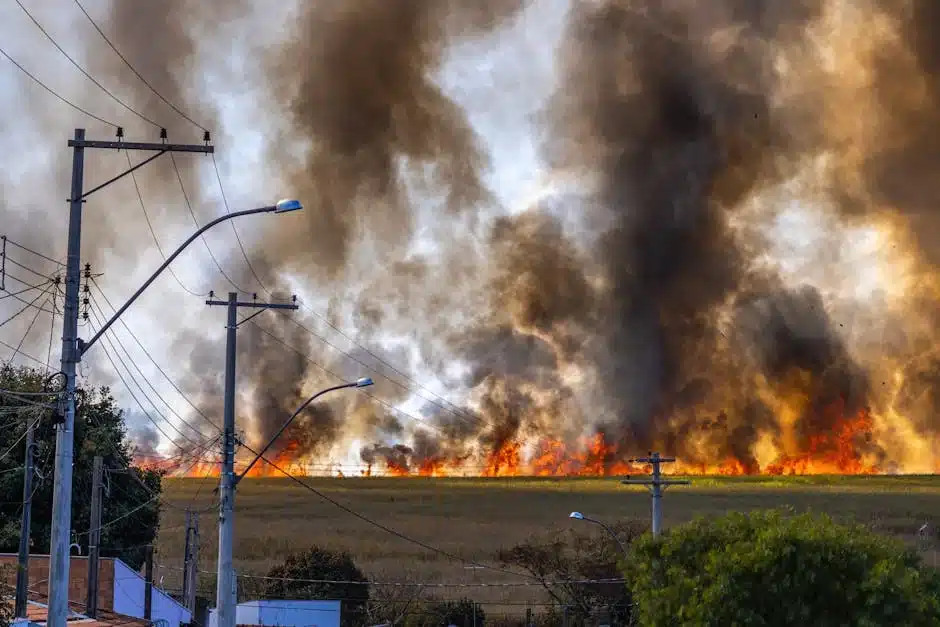
Medford’s wildfire exposure and seasonal smoke events make building code compliance especially relevant. HVAC systems must meet ventilation and mechanical standards adopted by the State of Oregon and enforced locally. Improper duct modifications during cleaning or restoration can trigger inspection issues, especially in permitted renovation projects.
- 2022 Oregon Residential Specialty Code (ORSC) – Chapter 23 (Mechanical) – Governs duct construction, sealing, and support in one- and two-family dwellings. Damaged or improperly reinstalled ducts after cleaning can fail inspection. Consequences include failed final inspections and required corrective work.
- 2022 Oregon Mechanical Specialty Code (OMSC) – Applies to mechanical systems in commercial and multifamily buildings. Requires proper access to ducts and components. Non-compliance may result in code violations and project delays.
- Oregon Administrative Rules Chapter 340 (DEQ Air Quality Rules) – Addresses air contaminant control. Contractors must handle and dispose of collected soot and debris responsibly to avoid environmental violations.
Questions to ask and what the process should look like
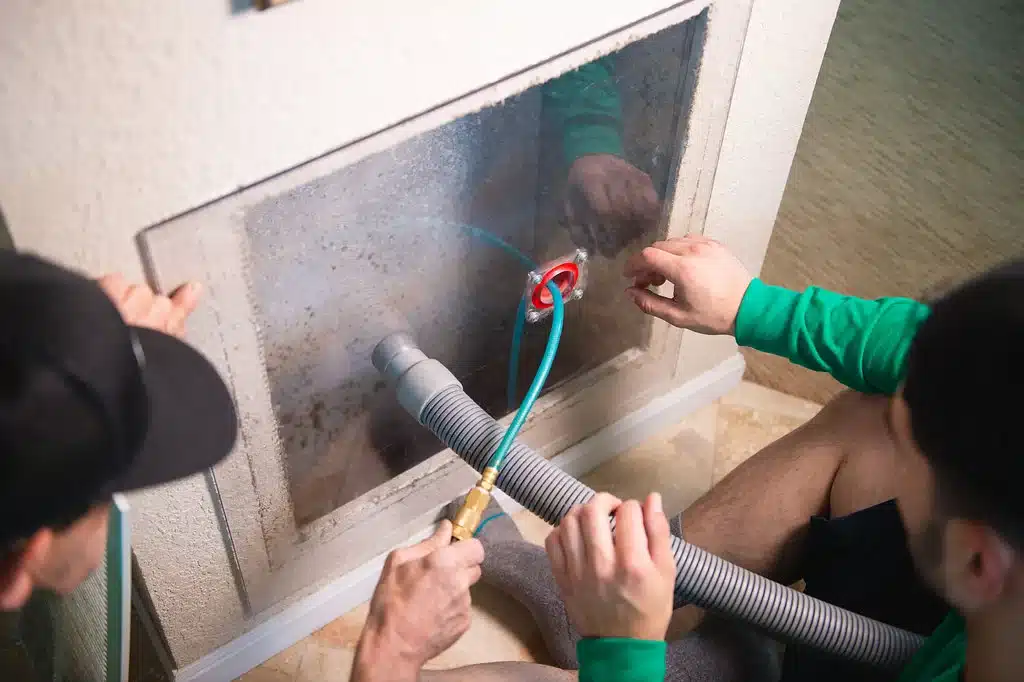
Before scheduling Air Duct Cleaning for Wildfire Smoke in Medford, ask direct questions about process and documentation. A thorough service should include:
- Pre-cleaning inspection with camera scope.
- Protection of flooring and furnishings.
- Negative air containment with HEPA filtration.
- Mechanical agitation of each branch line.
- Cleaning of blower motor, coil surface (if accessible), and return plenum.
- Post-cleaning verification photos.
Make a Confident Decision Before You Book
Smoke damage inside ductwork affects air quality, HVAC performance, and long-term system reliability. We help homeowners in Medford evaluate their options clearly, understand what proper cleaning involves, and avoid shortcuts that lead to repeat problems. If wildfire smoke has circulated through your system, the right approach removes contaminants instead of masking odors. Schedule a professional assessment and get straightforward answers about your ductwork condition, cleaning scope, and next steps.
FAQs
How do I know if I need Air Duct Cleaning for Wildfire Smoke in Medford?
If you notice a persistent smoky odor when your HVAC system runs, visible ash around supply vents, increased dust accumulation, or respiratory irritation indoors, your ductwork may contain smoke residue. In Medford, wildfire smoke can linger for days or weeks, allowing fine particles to enter return ducts and settle inside trunk lines. We often confirm contamination with a camera inspection that shows gray or black soot lining duct walls. Homes with older systems or leaky return ducts are especially vulnerable. If filters clog unusually fast after a smoke event, that’s another indicator that particles have moved deeper into the system rather than staying at the filter level.
Will changing my HVAC filter remove wildfire smoke contamination?
Changing the filter is necessary but rarely sufficient after significant wildfire exposure. A high-MERV filter (such as MERV 11 – 13, if your system supports it) captures airborne particles moving forward, but it does not remove soot already adhered to duct surfaces, blower wheels, or coils. We’ve inspected systems where filters were replaced multiple times, yet smoke odor persisted because residue remained in the return plenum and supply branches. Filters protect going forward; cleaning addresses what has already settled. For best results, combine proper duct cleaning with coil inspection and possibly upgrading filtration within manufacturer airflow limits to avoid restricting static pressure.
What does Air Duct Cleaning for Wildfire Smoke in Medford typically cost and how long does it take?
For a standard single-family home in Medford, professional smoke-related duct cleaning may range from $400 to $900. Larger homes, complex duct layouts, or severe soot buildup could push costs beyond $1,200. Most projects take between 3 and 6 hours, though heavily contaminated systems may require a full day. Pricing fluctuates based on site complexity, material costs, and total scope. Systems with multiple air handlers or difficult crawlspace access typically require more labor. Homes with internally lined ductboard may also need specialized agitation tools. These figures are preliminary benchmarks for informational purposes only and do not constitute a binding quote. An on-site evaluation is required for a final proposal.
Can I clean wildfire smoke out of my air ducts myself?
Homeowners can remove vent covers and vacuum visible dust near openings, but full smoke remediation requires specialized equipment. Wildfire soot adheres to interior duct surfaces and often extends deep into branch lines. Professional negative air machines create continuous suction while rotary brushes or air whips dislodge particles safely. Without containment, DIY attempts may spread soot further into the home. We’ve seen cases where shop vac use stirred particles into living spaces, increasing cleanup costs. DIY cleaning is reasonable for surface vent dust, but comprehensive wildfire smoke removal typically requires trained technicians, proper HEPA filtration, and system-level access.
What are warning signs that smoke residue is still in my HVAC system?
Persistent smoky odor when heating or cooling cycles start is the most common sign. Other indicators include black or gray dust near registers, visible debris inside ducts when viewed with a flashlight, and increased allergy or asthma symptoms indoors. In Medford, we also see faster-than-normal filter loading after wildfire events. If your HVAC blower compartment shows dark residue or your evaporator coil appears discolored, particles may still be circulating. We recommend scheduling an inspection if symptoms continue more than a few weeks after smoke exposure, especially in tightly sealed homes where recirculated air plays a larger role in comfort.
Are certain homes in Medford more vulnerable to wildfire smoke in ducts?
Yes. Homes near wooded areas or on the outskirts of Medford often experience higher smoke infiltration during wildfire season. Properties with older duct systems, unsealed return chases, or attic-installed air handlers are more susceptible to drawing in contaminated air. We’ve also found that homes with crawlspace ducts lacking proper sealing or insulation tend to accumulate soot more heavily. Newer, tightly constructed homes can still trap smoke indoors if ventilation systems recirculate air without adequate filtration. Regular inspection after heavy smoke events is especially important for households with children, seniors, or individuals with respiratory conditions.
What should I look for when hiring a duct cleaning company?
Look for companies that follow NADCA standards and use source-removal methods with HEPA-filtered negative air machines. Ask whether they clean the blower assembly, return plenum, and accessible coil surfaces – not just the visible ducts. Request before-and-after photos and proof of liability insurance. In Medford, confirm familiarity with Oregon mechanical code requirements to avoid improper duct modifications. Avoid unusually low flat-rate offers that skip system components. Clear scope documentation, equipment transparency, and post-cleaning verification separate thorough professionals from quick, surface-level services.
What should I do if my home smells strongly of smoke when the HVAC turns on?
Turn off your HVAC system immediately to prevent further circulation of contaminated air. Continued operation can distribute soot throughout the duct network and onto internal components like the blower motor and evaporator coil, increasing cleanup complexity and potential respiratory irritation. Delaying action may also allow acidic smoke residue to corrode metal surfaces over time. Inspect and replace the air filter, but avoid running the system until it has been evaluated. If odor is intense or worsening, schedule professional service promptly. Emergency dispatch or after-hours fees may apply for immediate response.