
10 Signs Your Air Ducts Need Professional Cleaning
March 20, 2026
- By
- Air Duct Cleaning Titans
- Air Quality and HVAC Specialists
If you use your HVAC system throughout the year, it is natural to wonder whether dust, pollen, and other particles are quietly accumulating inside your air ducts. Over time, this buildup can affect both your indoor air quality and the efficiency of your heating and cooling system. At Air Duct Cleaning Titans, we specialize in helping homeowners maintain cleaner, healthier air by identifying hidden contaminants before they cause larger problems. During one home inspection, we discovered that a family’s frequent allergies and inconsistent room temperatures were caused by thick layers of dust, pet dander, and insulation debris inside their return vents. Cleaning out these pollutants improved their comfort almost immediately. Regular air duct maintenance is not just a matter of cleanliness – it is also essential for preventing wasteful energy use and protecting your system from unnecessary strain. Knowing the warning signs of dirty ducts can save you both money and discomfort. Our detailed air quality guide explains how airborne contaminants circulate through ducts, how they reduce efficiency, and how professional cleaning helps restore consistent airflow and a more comfortable living space year-round.
What Proper Service Should Include
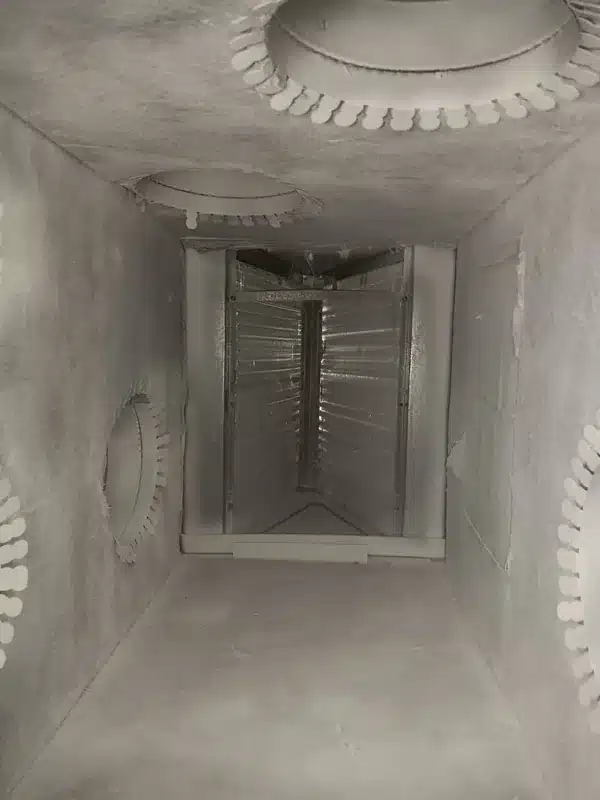
Local expertise plays a crucial role in achieving truly effective air duct cleaning. While national companies may follow generic procedures, local professionals understand the regional challenges that can affect indoor air quality and HVAC efficiency. For example, in our area, seasonal humidity, construction dust, and pollen levels vary throughout the year, influencing how quickly build-up accumulates in ductwork. A technician with local experience will know which contaminants are most common and how to adjust cleaning techniques for those conditions. This ensures a more thorough, customized service rather than a one-size-fits-all approach. Our experienced team follows NADCA’s ACR Standard and adapts every step to local building materials and climate-related issues. We examine how nearby environmental factors impact systems in both residential and commercial properties. Local technicians can also respond faster, providing support when unexpected issues arise or when additional maintenance is needed. During each visit, we use advanced inspection tools to document duct conditions, followed by precise mechanical agitation and HEPA negative pressure to capture particles safely. Additionally, local knowledge helps protect regional air quality by minimizing waste and preventing cross-contamination. Homeowners benefit from specialists who recognize the area’s common HVAC setups and energy efficiency trends. Choosing a trusted nearby company is the most reliable way to secure long-term air quality improvements. Learn more about our local air duct cleaning service today. (228 words)
Inspection, Cost Factors, and Maintenance Planning
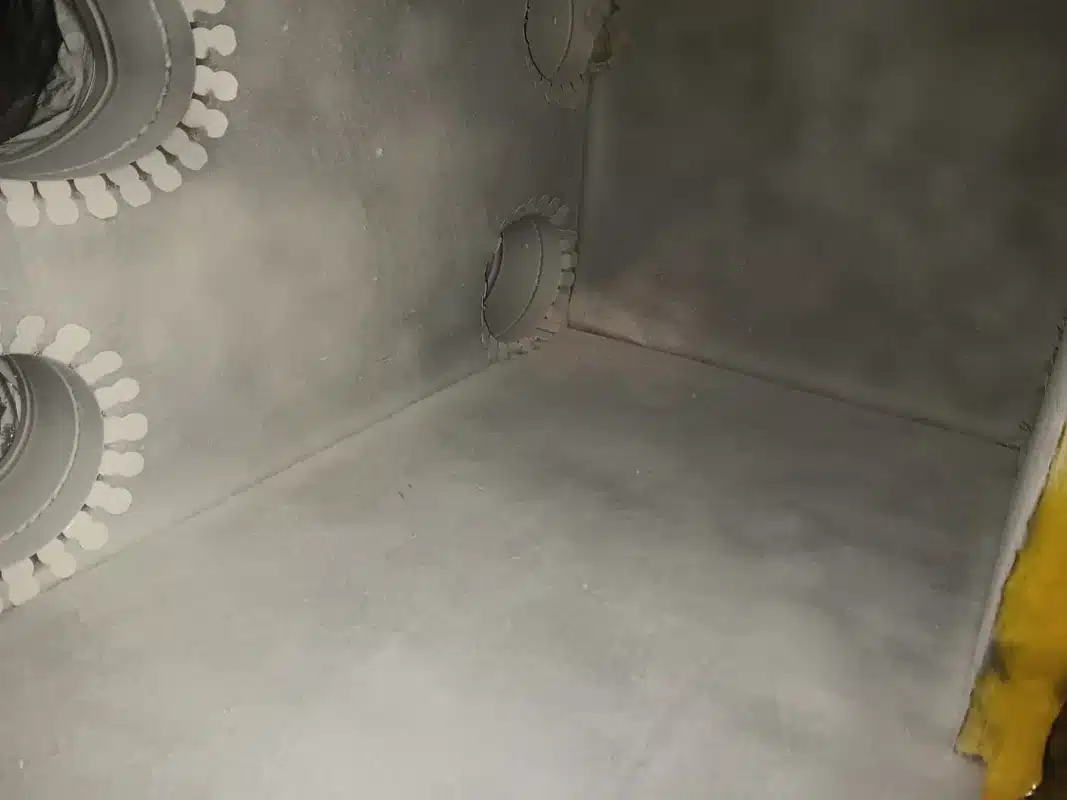
Once you notice dust streaks around vents, persistent odors, or rising energy bills, professional evaluation is the next logical step. In our experience, duct cleaning projects vary widely in cost and complexity depending on the duct design and contamination level. The Environmental Protection Agency (EPA) advises cleaning ducts when mold, vermin, or excessive dust restrict airflow. A customer once called after noticing fine black soot on furniture near vents. Our inspection revealed a cracked furnace heat exchanger leaking combustion residue into the ducts – an issue far beyond normal dust. After cleaning and repair, indoor air quality dramatically improved. Typical project costs may range from moderate to high depending on factors such as:
- System complexity and accessibility.
- Type of contaminants (dust, mold, or construction debris).
- Total duct length and number of registers.
Schedule a Professional Air Duct Assessment Today
Are you noticing dust accumulating around vents, uneven airflow, or persistent allergy symptoms every time your system runs? These are clear signals that your ducts could be harboring hidden contaminants. Air Duct Cleaning Titans provides expert, NADCA-certified inspection and cleaning services tailored to improve your home’s air quality, energy performance, and comfort. Our advanced equipment removes stubborn debris, allergens, and buildup that ordinary filters cannot handle. Clean ducts mean cleaner air, lower utility bills, and a healthier environment for your family. Do not wait until poor airflow turns into costly HVAC repairs. Act now and schedule your professional air duct inspection today. Experience the confidence of a cleaner, more efficient home with Air Duct Cleaning Titans. Call us now for fast scheduling and verified results.
FAQs
What are the top signs that indicate my air ducts need cleaning?
You might notice several key indicators that your air ducts are overdue for cleaning. One of the most obvious signs is excessive dust collecting around vents or registers even after regular cleaning. You may also observe more frequent allergy flare-ups, respiratory discomfort, or eye irritation among household members, which can point to airborne contaminants circulating through the ductwork. Musty or burning odors when the HVAC system runs often suggest that dirt, pet dander, or even mold is present inside the ducts. Uneven room temperatures or weak airflow can indicate that debris buildup is restricting circulation. In some cases, you may even see particles blowing out when the system turns on. Mold growth, dark residue, or moisture around vent openings are more serious signs that require professional inspection. A certified technician can thoroughly assess interior duct conditions using cameras or borescopes to determine whether cleaning or additional maintenance is needed. Addressing these issues promptly can significantly improve indoor air quality, system efficiency, and overall comfort, while helping extend the lifespan of your HVAC system.
How often should air ducts be professionally cleaned?
Most professionals suggest scheduling air duct cleaning every three to five years, but the most suitable interval depends on several unique aspects of your household and environment. Homes with multiple pets that shed heavily, residents who smoke indoors, or occupants who experience frequent allergy or respiratory issues generally need cleanings more often to maintain healthy air quality. If your home has undergone remodeling, sanding, or other construction work that produces dust or debris, those particles can settle deep inside the ducts and reduce airflow. Visible dust lines near vents, persistent musty or smoky odors, or rooms that heat and cool unevenly are strong indicators that an earlier inspection is justified. Between cleanings, regular replacement of air filters supports proper airflow and helps prevent buildup. Following NADCA recommendations, it is also prudent to schedule inspections whenever you observe signs of moisture intrusion, mold growth, pest activity, or airflow restriction. Clean, well-maintained ducts contribute significantly to HVAC efficiency and help keep indoor air fresh and free from harmful contaminants that could circulate through your living spaces.
What does professional air duct cleaning usually cost?
Air duct cleaning costs can vary significantly depending on several key factors, including the complexity of the HVAC system, the level of contamination, the total length of ductwork, and the type of equipment required. In general, homeowners can expect prices that range from a few hundred dollars on the low end to more than a thousand dollars for larger homes or systems with extensive buildup. For an average home, the cost often starts near the lower end of that range but can rise if the system includes multiple zones, hard-to-reach ducts, or heavy dust and microbial deposits. A variety of variables can influence the final estimate, such as:
- Site difficulty and accessibility of the ductwork layout.
- Additional materials like disinfectants, sanitizers, and antimicrobial sealants.
- The full project scope, including number of vents, return registers, and optional coil or blower cleaning.
Can I clean my air ducts myself or should I hire a professional?
While you can safely handle basic maintenance tasks like cleaning vent covers and replacing filters, complete air duct cleaning is a more complex process that requires specialized training, professional-grade equipment, and industry certification. Certified technicians rely on advanced tools such as negative air machines, rotary brushes, and high-pressure compressed air systems to dislodge and remove dust, debris, and contaminants from deep inside the ductwork without causing structural damage. Attempting to perform deep cleaning with standard household vacuums or handheld devices usually proves ineffective, as these tools cannot generate enough suction or reach the intricate areas within the ducts. This can result in leftover residue or the unintentional release of allergens and fine particles back into the air. Professionals adhere to strict NADCA (National Air Duct Cleaners Association) standards that ensure high-quality results, confirm system cleanliness, and minimize the risk of cross-contamination between different sections of the HVAC system. A certified treatment also helps limit the spread of mold, bacteria, or other microbes that might circulate through the ventilation system if not properly removed. Between professional cleanings, homeowners can extend the life and efficiency of their HVAC setup by consistently replacing air filters, wiping down registers and intake vents, and ensuring airflow remains unobstructed. By following these steps and relying on certified services when necessary, you protect your home environment and maintain healthier indoor air quality.
What happens if I ignore dirty air ducts?
Neglecting dirty air ducts can significantly reduce indoor air quality while also placing unnecessary strain on your HVAC system. When dust, pollen, pet dander, and mold spores accumulate inside the ductwork, they are continuously circulated throughout your living space every time heating or cooling operates. This constant recirculation can cause uncomfortable respiratory irritation, worsen allergy or asthma symptoms, and create lingering odors that affect overall comfort. As debris builds up, the airflow becomes increasingly restricted, forcing the system to run longer cycles and consume more electricity or fuel. Higher energy use inevitably results in elevated utility costs and additional wear on components such as fans, coils, and filters. Persistent moisture or organic material inside ducts can also promote mold or mildew growth, potentially leading to structural deterioration and indoor health concerns. Scheduling regular professional cleaning and inspection maintains cleaner air, consistent temperatures, and efficient long-term system performance.
What are the most common problems found inside residential air ducts?
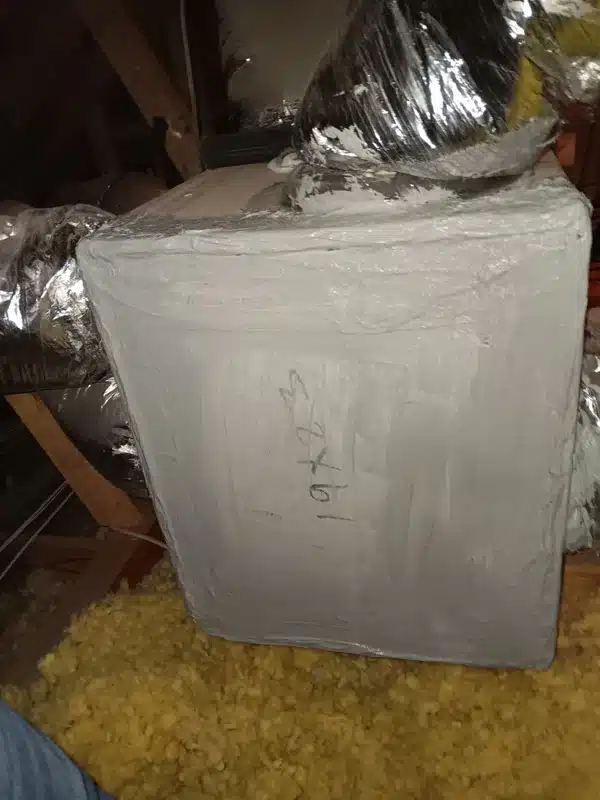
Common ductwork and ventilation problems often appear gradually, yet they can seriously affect the performance and safety of an HVAC system. The most frequent issues include heavy dust accumulation, layers of pet dander, microbial or mold growth, insect and rodent nests, and leftover construction debris that settles within the duct runs. Over time, insulation around duct chases may sag, compress, or collapse, leading to restricted airflow and temperature imbalances throughout a home or building. Improper duct sealing can allow attic dust, pollen, or insulation fibers to be drawn into the system, which increases contamination and allergy risks. Moisture is another concern because excess humidity and condensation can support mold colonies on metal ducts, evaporator coils, and drain pans. Experienced technicians rely on inspection cameras, airflow gauges, moisture meters, and particulate testers to locate and measure hidden issues. Once identified, professional cleaning, resealing of joints, replacement of damaged insulation, and careful balancing of air distribution restore efficient operation, improve indoor air quality, and prevent recurring problems that could shorten equipment lifespan. By maintaining clean and properly sealed ducts, occupants gain better comfort, consistent heating and cooling levels, and a more energy-efficient environment that supports overall health and reliability.
What should I look for when hiring an air duct cleaning company?
When selecting an air duct cleaning professional, it is essential to ensure they are NADCA certified, carry proper liability insurance, and strictly follow ACR, the NADCA Standard, which defines the best practices for source removal cleaning. Reliable companies are transparent about their methods and willingly provide before-and-after photos or video documentation so you can verify the results. They also issue clear written estimates and describe each phase of the cleaning process in detail, including the use of negative pressure combined with HEPA filtration to prevent contaminants from spreading. Be cautious of any low-cost offers or vague “sanitizing specials” that do not include a complete system cleaning. A trustworthy provider invests in advanced equipment such as rotary brushes, compressed air whips, and video inspection tools. Verifying technician training, safety procedures, and contamination containment methods helps ensure your indoor air remains healthy long after the service is complete.
Is air duct cleaning ever an urgent need?
While duct and HVAC cleaning is usually not an emergency, there are situations that demand quick professional attention. If you notice visible mold growth inside ducts or on vents, smell a strong musty or burning odor, or spot evidence of pests or droppings, schedule an inspection as soon as possible. Mold, bacteria, or pest residue can spread through circulated air, increasing health risks and aggravating allergies or asthma. In addition, if you feel weak airflow, hear unusual noises, or see light dust blowing from vents, your system might be restricted or dirty, which can reduce efficiency and raise energy costs. Always turn off your system if you suspect contaminants or odor sources inside the ducts, and contact a trained HVAC specialist for a detailed evaluation, cleaning, and sanitization to restore safe, efficient operation throughout your home.