

My name is Mike Patterson, and I’ve spent over fifteen years working with air systems across Oregon. At Air Duct Cleaning Titans, I’ve seen countless homeowners make the same mistake when hiring help. They focus on price alone and skip the critical questions. That decision often backfires. I once met a family who hired an unlicensed worker to fix their furnace. The improper installation caused a carbon monoxide leak that nearly cost them everything. The right HVAC technician doesn’t just fix problems. They prevent disasters and keep your family safe year-round.
Why HVAC Technician Certification Matters More Than You Think

Certification isn’t just a piece of paper on the wall. It proves someone completed rigorous training and passed industry-standard exams. In Oregon, proper licensing through the Construction Contractors Board is mandatory for anyone touching your heating or cooling systems. I’ve responded to emergency calls where uncertified workers installed refrigerant lines without proper brazing techniques.
The result? Leaks, system failure, and thousands in repair costs. A certified HVAC technician understands refrigeration systems, electrical codes, and safety protocols. They know how to size equipment correctly for Oregon’s climate zones. When you hire certified professionals, you’re protecting your investment and your home. Don’t gamble with your family’s comfort or safety. Always verify credentials before anyone starts work.
Essential Skills Every Qualified Tech Should Have
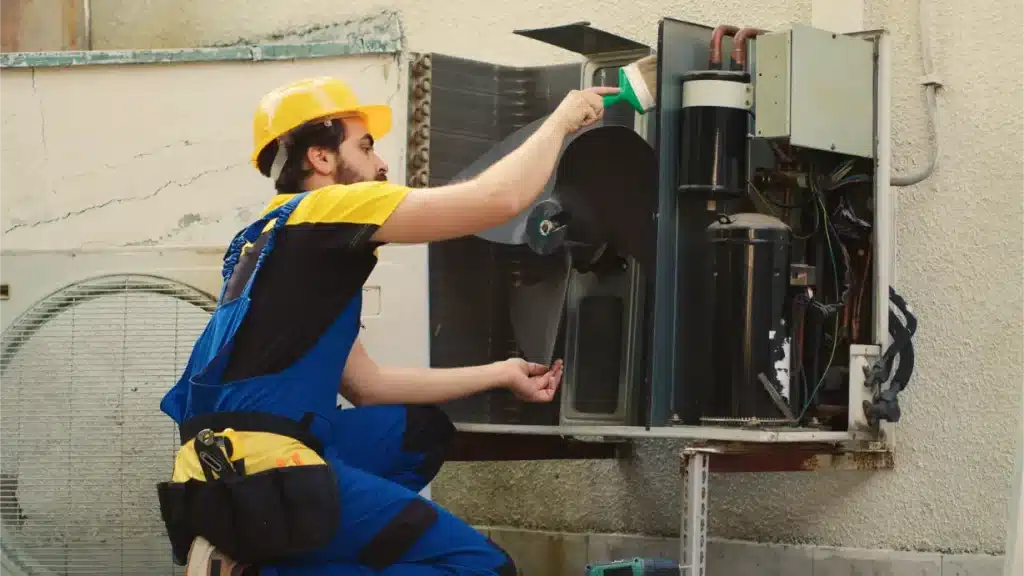
The best service professionals bring more than tools to your home. They carry years of on-the-job training and specialized knowledge. I look for techs who can diagnose problems quickly without guessing. That skill comes from real experience, not just classroom learning. A quality HVAC technician should explain issues in plain language and offer practical solutions.
They test static pressure, measure airflow, and check refrigerant charges with precision instruments. I’ve worked alongside entry-level installers who learned the hard way that guesswork destroys equipment. The installer who takes shortcuts today creates callbacks tomorrow. When interviewing candidates, ask about their troubleshooting process. Strong techs follow systematic approaches rather than randomly replacing parts.
Refrigeration and Heating System Expertise
Working with refrigeration requires understanding thermodynamics and pressure relationships. I’ve seen workers add refrigerant without checking for leaks first. That’s like filling a leaky tire and hoping it stays inflated. Proper refrigeration mechanics and installers use manifold gauges, micron gauges, and leak detectors. They know the difference between R-410A and older refrigerants.
For heating systems, combustion analysis is critical. I always test for carbon monoxide and verify proper venting. Natural gas furnaces need precise air-to-fuel ratios. One misadjusted gas valve can create deadly conditions. These technical details separate professionals from pretenders in our industry.
Air Conditioning Installation and Repair
Installation quality determines how long your cooling system lasts. As an HVAC technician, I’ve torn out brand-new units because the previous installer cut corners. Proper ductwork sizing, refrigerant line placement, and condensate drainage all matter tremendously. An experienced tech levels the outdoor unit, checks electrical connections, and performs startup procedures.
They pull proper vacuums before charging refrigerant. Quick installs that skip these steps fail prematurely. During repairs, I use temperature splits and superheat readings to diagnose compressor issues. These measurements tell the real story about system performance. Don’t accept vague explanations. Your cooling professional should explain findings with specific data.
Oregon's HVAC Industry Regulations You Need to Know
Oregon enforces strict rules to protect consumers and ensure safe installations. Understanding these regulations helps you verify that contractors operate legally. I always inform homeowners about their rights before starting projects.
- Oregon Construction Contractors Board Licensing – Requires all HVAC contractors to maintain active licenses and bonds. Consequences: unlicensed work voids warranties and creates liability issues.
- Oregon Residential Specialty Code (ORSC) – Mandates specific installation standards for residential heating and cooling. Consequences: failed inspections and expensive corrections.
- Oregon Energy Efficiency Standards – Sets minimum efficiency requirements for new equipment installations. Consequences: higher utility bills and potential replacement costs.
Non-compliance creates safety hazards and financial penalties. Always confirm your contractor pulls proper permits and schedules required inspections with local authorities.
Questions to Ask Before Hiring an HVAC Technician
Smart homeowners interview candidates like they’re hiring for critical positions. Because they are. I recommend preparing specific questions that reveal experience levels. Ask how long they’ve worked in the industry and what their specialty areas include. Request references from recent customers with similar projects. Find out if they carry proper insurance and workers’ compensation coverage. I always explain my diagnostic process before starting work.
Ask candidates how they charge for services. Flat-rate pricing or hourly billing? Do they provide written estimates before beginning repairs? Inquire about warranty coverage on both parts and labor. The HVAC technician who hesitates or gives vague answers probably lacks confidence or experience.
Red Flags When Evaluating Service Professionals
Certain warning signs should send you looking elsewhere immediately when hiring an HVAC technician. I’ve cleaned up disasters left by incompetent workers too many times. Avoid anyone who offers suspiciously low bids without inspecting your system first. They’re either inexperienced or planning to cut corners. Be wary of high-pressure sales tactics or same-day replacement recommendations. Legitimate professionals diagnose thoroughly before suggesting major purchases. Watch for contractors who can’t produce proper licensing or insurance documentation. I once encountered an installer using automotive gauges on residential air conditioning systems. That’s like using a butter knife for surgery. Poor communication and unprofessional behavior indicate deeper problems. Trust your instincts when something feels wrong.
Partner with Our HVAC Technicians for Expert Service
At Air Duct Cleaning Titans, we’ve built our reputation on honesty, expertise, and results. Our team includes certified professionals with decades of combined experience serving Oregon communities. We don’t just fix immediate problems. We improve your indoor air quality and system efficiency for the long term. Every technician on our staff completed extensive training and holds current certifications. We pull proper permits, follow manufacturer specifications, and stand behind our work. Whether you need routine maintenance, emergency repairs, or complete system replacements, we provide transparent pricing and reliable solutions. Don’t risk your family’s comfort with inexperienced contractors. Contact Air Duct Cleaning Titans today for service you can trust.
Frequently Asked Questions
What certifications should an HVAC technician have in Oregon?
A: Test annually at a minimum, or whenever you notice health symptoms or make major home changes. I recommend seasonal testing if anyone in your household has allergies or asthma. After renovations, new furniture, or water damage, test immediately. Continuous monitors provide ongoing data without repeated testing. Professional assessments every 2-3 years catch issues you might miss with DIY kits.
How much do HVAC technicians make in Oregon?
A: Source control beats everything else. Stop pollutants from entering or forming in the first place. Switch to low-VOC products, fix moisture problems, and ventilate during activities that create emissions. Combine this with proper ventilation and filtration. I’ve seen source control reduce pollutant levels by 60-80% before adding any purification equipment. It’s the foundation everything else builds on for optimal Indoor Air Quality.
How long does HVAC technician training take?
A: Absolutely. Studies show indoor levels can be 2-5 times higher than outside, sometimes reaching 100 times worse. Homes trap and concentrate pollutants without proper ventilation. Your HVAC recirculates the same contaminated stuff repeatedly. Modern homes are built tight for energy efficiency, which worsens the problem. I’ve measured shocking levels in new construction that looked spotless.
Can HVAC technicians work on both heating and air conditioning?
A: Yes, when sized and used correctly. Quality HEPA purifiers significantly reduce particulates, allergens, and some VOCs. I’ve measured 40-70% reductions in rooms with proper purifiers running continuously. They’re not magic solutions – you still need ventilation and source control. But for people with allergies or asthma, they’re game-changers. Choose units rated for your room size and run them 24/7.
What's the difference between an HVAC installer and a service technician?
A: Watch for musty odors, visible growth, or unexplained respiratory symptoms. Water stains, condensation, and humidity above 60% create perfect mold conditions. I always check basements, bathrooms, and around windows first. Professional mold testing identifies species and concentration levels. Home test kits provide preliminary results. If you see or smell mold, assume it’s affecting what you breathe and your overall Indoor Air Quality.
How often should I have my HVAC system professionally serviced?
A: Maintain between 30-50% relative humidity year-round. Below 30% dries out the respiratory passages and increases static electricity. Above 50% encourages mold growth and dust mite reproduction. I keep mine around 40-45% for comfort and health. Use hygrometers to monitor levels in different rooms. Basements typically run higher and need dehumidifiers. Winter heating dries things out, requiring humidification for balanced Indoor Air Quality.