

We spend roughly 90% of our time inside buildings. That’s a lot of hours breathing the same recycled stuff. Over my years working in environmental health, I’ve helped countless families discover that their home’s atmosphere wasn’t as clean as they thought. The good news? You can make real changes today. This guide walks you through everything you need to know about creating a healthier breathing environment. From identifying pollutants to implementing practical solutions, we’ll cover what actually works based on real-world experience and current science.
Understanding Indoor Air Pollutants

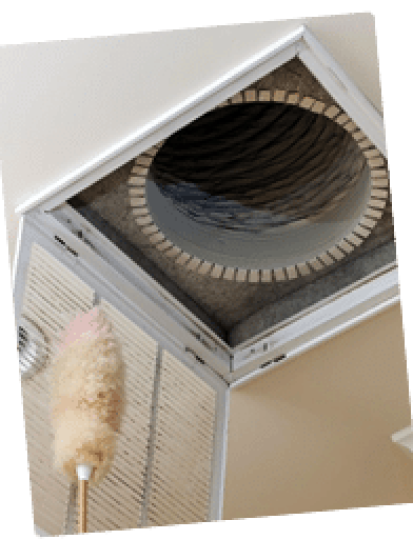
Let’s start with what’s actually floating around your rooms right now. Indoor air pollutants come in many forms, and most people have no clue they exist. I’m talking about invisible particles, gases, and biological contaminants that build up over time. Understanding these threats is the first step toward better Indoor Air Quality.
Common culprits include dust mites, pet dander, mold spores, and volatile organic compounds (VOCs). These VOCs come from everyday products like cleaning supplies, paints, and even new furniture. I’ve tested homes where formaldehyde levels from pressed wood furniture surprised everyone. Carbon monoxide and radon are serious invisible threats that need attention, too.
Health Effects of Poor Indoor Air Quality
Here’s where things get personal. I’ve seen families struggle with unexplained symptoms for months before discovering their home environment was the problem. Poor Indoor Air Quality affects everyone differently, but the patterns are clear. Protecting your household starts with recognizing how compromised Indoor Air Quality impacts health.
Short-term exposure can trigger headaches, dizziness, and fatigue. You might notice irritated eyes, nose, or throat. Allergies and asthma symptoms often worsen when pollutant levels climb. Long-term health effects are more concerning, including respiratory diseases, heart problems, and even cancer from certain exposures.
Kids and elderly family members face higher risks. Their bodies process toxins differently. I always tell clients that if someone in your household experiences unexplained symptoms that improve when they leave the building, that’s a red flag worth investigating.
Testing Air Quality in Your Home
You can’t fix what you can’t measure. Testing gives you baseline data to work from. I recommend starting with a professional assessment if you suspect major issues. These experts use calibrated equipment to measure specific contaminants and evaluate your Indoor Air Quality comprehensively.
DIY test kits work great for specific concerns like radon or mold. They’re affordable and easy to use. I keep carbon monoxide detectors on every floor and check them monthly. Smart monitors that track particulate matter, VOCs, and humidity have become incredibly helpful. They give real-time feedback on what’s happening in your space.
Sources of Indoor Air Pollution
Identifying where pollutants originate helps you tackle problems at their root. Every home has multiple sources, and they add up quickly. From my experience, most families are shocked when they realize how many contributors they have. Addressing these sources directly creates lasting improvements in Indoor Air Quality.
Common Household Sources
Your daily activities create more pollution than you’d think. Cooking releases particulates and gases, especially with gas stoves. Cleaning products often contain harsh chemicals that linger in the atmosphere. Candles and air fresheners might smell nice, but they release compounds you’re better off avoiding.
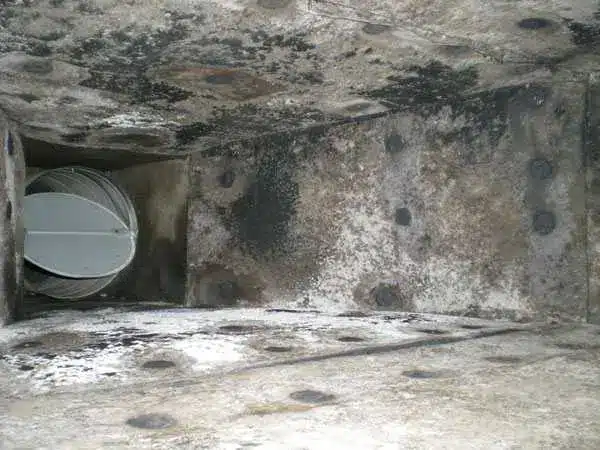
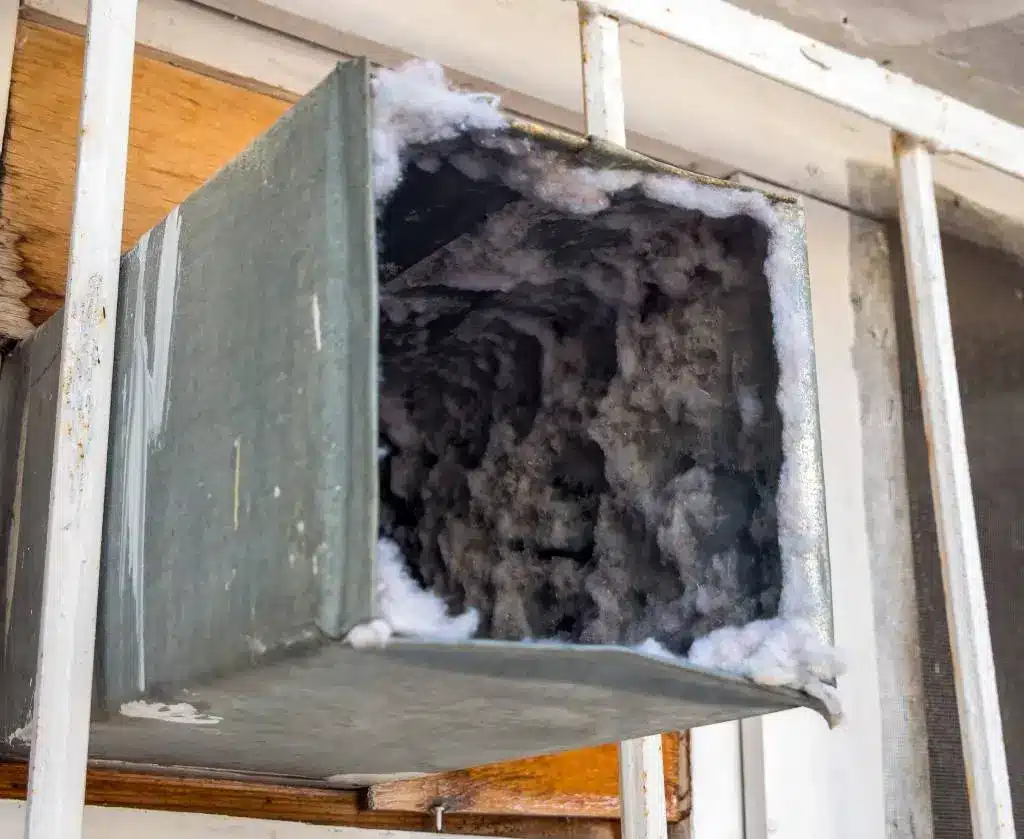
Building materials can off-gas for years. That new carpet smell? It’s VOCs being released. Attached garages let vehicle exhaust seep into living spaces. Moisture problems from leaks or poor ventilation create perfect conditions for mold growth. Even your HVAC system can spread contaminants if filters aren’t changed regularly.
Proven Ways to Improve Your Indoor Air
Now for the good stuff – solutions that actually work. I’ve implemented these strategies in hundreds of homes, and the results speak for themselves. You don’t need to do everything at once. Start with what makes sense for your situation and watch your Indoor Air Quality transform.
Ventilation is your first line of defense. Open windows when the weather permits to flush out stale stuff. Run exhaust fans while cooking and showering. I upgraded my HVAC system to include fresh makeup from outside, and the difference was immediate.
Control humidity levels between 30-50%. Too high encourages mold, too low causes respiratory irritation. Dehumidifiers and humidifiers help maintain that sweet spot. Here are some quick wins you can implement today:
- Replace HVAC filters every 1-3 months with high-efficiency options
- Vacuum with HEPA filters twice weekly
- Ban smoking indoors completely
- Use natural cleaning products when possible
- Fix water leaks immediately
Air Purifiers and Filtering Systems
These devices have come a long way in recent years. A quality purifier with HEPA filtration removes 99.97% of particles down to 0.3 microns. That includes most allergens, dust, and some bacteria. I run purifiers in bedrooms and main living areas year-round. They’re essential tools for maintaining excellent Indoor Air Quality.
Look for units with activated carbon filters to tackle VOCs and odors. Size matters – match the purifier’s capacity to your room’s square footage. Cheaper models don’t move enough volume to make a real difference. Whole-house filtration systems integrate with your HVAC and provide comprehensive coverage.
UV-C light systems kill biological contaminants like viruses and mold spores. They work best as part of a multi-layer approach. Don’t skip regular maintenance. Filters need changing on schedule, or you’re just recirculating trapped pollutants back into the room.
Indoor Plants and Natural Solutions
Plants do more than look pretty. Certain species actively remove toxins from their surrounding environments. NASA studied this extensively for space stations. Spider plants, peace lilies, and snake plants top my recommendation list for beginners. They contribute to better Indoor Air Quality while adding natural beauty.
Don’t expect miracles from a single potted plant. You need several throughout your living space for a noticeable impact. I maintain about one plant per 100 square feet. They also help regulate humidity naturally through transpiration.
Beeswax candles produce negative ions that can help clean the surroundings. Salt lamps offer similar benefits, though scientific evidence is limited. Natural ventilation combined with plants creates a healthier ecosystem than chemical air fresheners ever could.
Your Path to Better Indoor Air Quality
Making these changes transformed how my family feels at home. Less congestion, fewer headaches, better sleep – the benefits compound over time. Start by identifying your biggest concerns through testing, then address sources systematically. Improving Indoor Air Quality is an ongoing process that pays dividends in health and comfort.
You don’t need a massive budget to see improvements. Many effective solutions cost little or nothing. Opening windows, maintaining your HVAC, and choosing better products make huge differences. Invest in quality purifiers for high-use spaces as budget allows.
Exposure to common indoor air contaminants can cause major health risks and poor overall air quality.
Frequently Asked Questions
Q: How often should I test my Indoor Air Quality?
A: Test annually at a minimum, or whenever you notice health symptoms or make major home changes. I recommend seasonal testing if anyone in your household has allergies or asthma. After renovations, new furniture, or water damage, test immediately. Continuous monitors provide ongoing data without repeated testing. Professional assessments every 2-3 years catch issues you might miss with DIY kits.
Q: What's the most effective way to reduce indoor pollutants?
A: Source control beats everything else. Stop pollutants from entering or forming in the first place. Switch to low-VOC products, fix moisture problems, and ventilate during activities that create emissions. Combine this with proper ventilation and filtration. I’ve seen source control reduce pollutant levels by 60-80% before adding any purification equipment. It’s the foundation everything else builds on for optimal Indoor Air Quality.
Q: Can Indoor Air Quality be worse than outdoor pollution?
A: Absolutely. Studies show indoor levels can be 2-5 times higher than outside, sometimes reaching 100 times worse. Homes trap and concentrate pollutants without proper ventilation. Your HVAC recirculates the same contaminated stuff repeatedly. Modern homes are built tight for energy efficiency, which worsens the problem. I’ve measured shocking levels in new construction that looked spotless.
Q: Do air purifiers really make a difference for Indoor Air Quality?
A: Yes, when sized and used correctly. Quality HEPA purifiers significantly reduce particulates, allergens, and some VOCs. I’ve measured 40-70% reductions in rooms with proper purifiers running continuously. They’re not magic solutions – you still need ventilation and source control. But for people with allergies or asthma, they’re game-changers. Choose units rated for your room size and run them 24/7.
Q: How do I know if mold is affecting my home's air?
A: Watch for musty odors, visible growth, or unexplained respiratory symptoms. Water stains, condensation, and humidity above 60% create perfect mold conditions. I always check basements, bathrooms, and around windows first. Professional mold testing identifies species and concentration levels. Home test kits provide preliminary results. If you see or smell mold, assume it’s affecting what you breathe and your overall Indoor Air Quality.
Q: What's the ideal humidity level for healthy indoor environments?
A: Maintain between 30-50% relative humidity year-round. Below 30% dries out the respiratory passages and increases static electricity. Above 50% encourages mold growth and dust mite reproduction. I keep mine around 40-45% for comfort and health. Use hygrometers to monitor levels in different rooms. Basements typically run higher and need dehumidifiers. Winter heating dries things out, requiring humidification for balanced Indoor Air Quality.