

Have you noticed a musty smell coming from your vents? That funky odor might mean you have mold hiding in your ductwork. We see this issue all the time in homes across the area. Air duct mold removal is something we handle regularly for families just like yours. The good news is that fixing this problem is totally doable. You just need the right approach and some professional help. Let’s walk through everything you need to know about getting your ducts clean and safe again.
Why Mold in Air Ducts Is a Serious Problem for Your Home

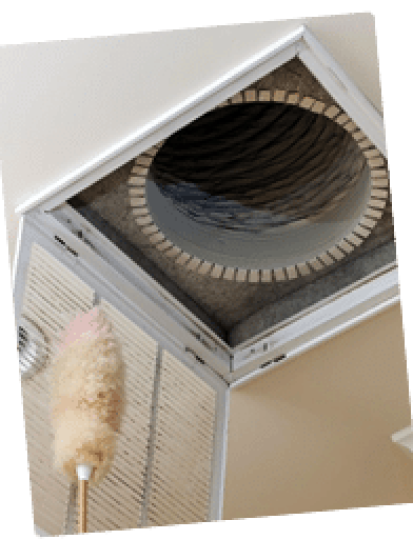
Here’s the thing about mold in air ducts. It doesn’t just sit there quietly. Every time your HVAC system kicks on, it pushes spores throughout your entire home. That means your family breathes in those particles all day and night. We’ve worked with homeowners who had no idea their headaches came from hidden damage.
The health effects can be pretty rough, honestly. People with allergies or asthma often feel it first. But even healthy folks can develop respiratory issues over time. Your ducts connect every room in your house. So one problem becomes a whole-house problem fast. That’s why air duct mold removal matters so much for your family’s well-being.
Signs You Need Professional Air Duct Mold Removal
Knowing when to call for help is half the battle. The most obvious sign is that musty, earthy smell near your vents. If you catch a whiff every time the air turns on, pay attention. We always tell customers to trust their nose on this one.
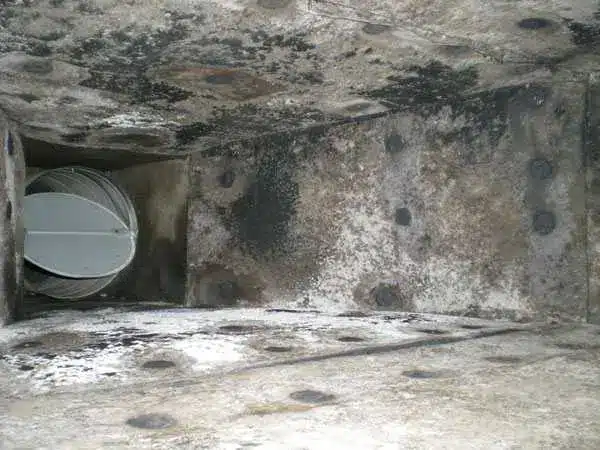
Visual signs matter too. Check around your vent covers for dark spots or discoloration. Sometimes you’ll see fuzzy growth right on the register itself. Other warning signs include increased allergy symptoms indoors or visible moisture around your ducts. Any of these means it’s time to consider air duct mold removal services for your home.
How Mold Growth Starts Inside Your HVAC System
Mold needs three things to thrive – moisture, warmth, and organic material. Your ductwork can provide all three. A small leak near your air handler creates the perfect breeding ground. Condensation from temperature changes adds moisture too. Even dust buildup gives mold something to feed on.
We’ve found issues that started from something as simple as a clogged drain line. The humidity builds up, and suddenly you’ve got a problem. Poor ventilation in certain areas makes things worse. Understanding these causes helps you prevent future growth after your system gets cleaned.
The Air Duct Mold Removal Process Explained
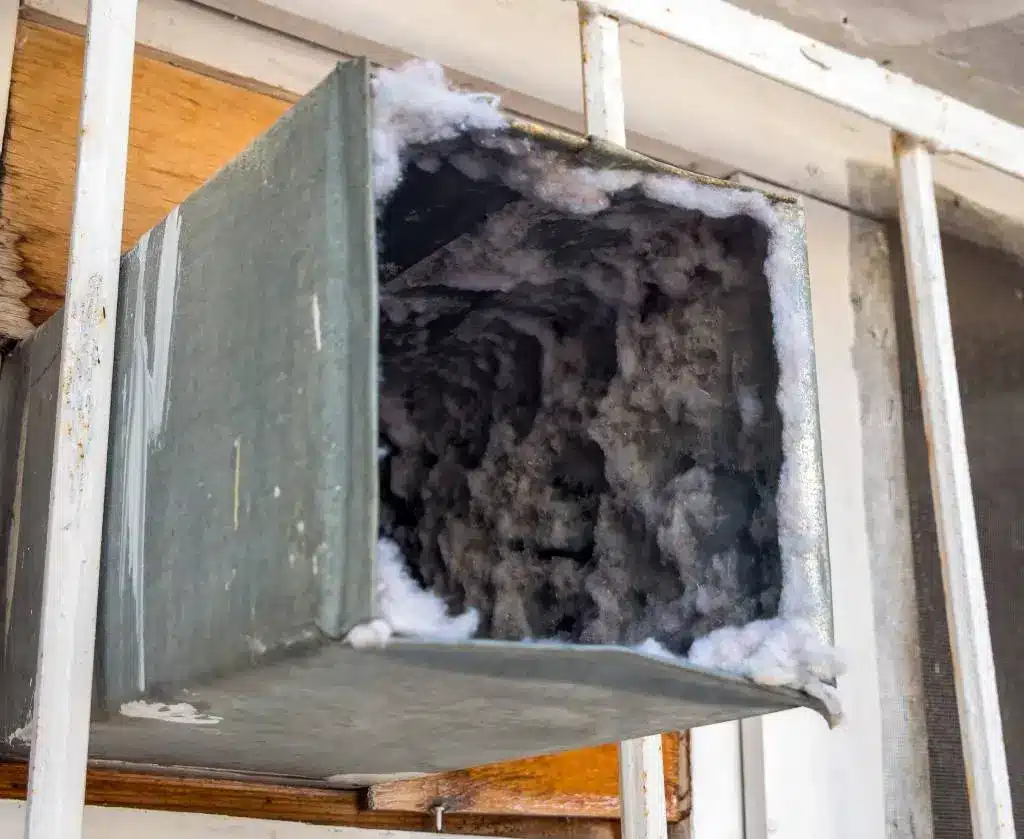
So what actually happens during a professional cleaning? First, technicians inspect your entire system thoroughly. They check every accessible section of ductwork for contamination. This helps them understand how far the problem has spread.
Next comes containment to prevent spores from spreading during the work. We use specialized equipment to create negative pressure in the affected areas. Then the actual cleaning begins using EPA-approved products. The goal is to eliminate existing mold while protecting your home. Air duct mold removal isn’t a quick wipe-down job. It requires proper technique and professional-grade tools.
How Professional Duct Cleaning Gets Rid of Mold
Professional air duct cleaning uses equipment you won’t find at hardware stores. High-powered vacuums with HEPA filtration capture spores without releasing them back into your air. Rotary brushes scrub the interior surfaces of your ducts clean. Antimicrobial treatments help prevent regrowth after the cleaning.
We also address the source of moisture that caused the problem. There’s no point in cleaning if the mold just comes back. That might mean fixing a leak or improving drainage. Sometimes we recommend a dehumidifier for problem areas. Getting rid of mold completely requires this comprehensive approach.
Tips to Prevent Future Mold Growth in Your Vents
Once your system is clean, you’ll want to keep it that way. Here are some practical steps that actually work:
- Change your air filters every 30-90 days without fail
- Keep indoor humidity below 50 percent year-round
- Fix any leaks in your roof or plumbing immediately
- Schedule annual HVAC inspections and maintenance
- Make sure your drip pans drain properly
These habits prevent mold from returning to your ductwork. We’ve seen customers go years without issues just by following these basics. The key is staying consistent with maintenance. A little prevention saves you from dealing with air duct mold removal again.
How Clean Ductwork Improves Indoor Air Quality
Clean ducts make a real difference in how your home feels. Your indoor air quality improves dramatically once the mold is gone. Many customers tell us they notice the change right away. The air smells fresher and feels lighter somehow.
Beyond the obvious health benefits, clean ductwork helps your HVAC system run better. Air flows more freely through unobstructed ducts. That means your system works less hard to heat or cool your home. You might even notice lower energy bills after professional duct cleaning. It’s one of those improvements that keeps paying off over time.
Trust the Experts for Air Duct Mold Removal
Look, we get it. Calling in professionals costs money. But air duct mold removal really isn’t a DIY situation. The risks are too high and the equipment too specialized. Improper cleaning can actually make mold problems worse by spreading spores everywhere.
Trained technicians know how to handle contaminated systems safely. They have the right protective gear and containment methods. Most importantly, they can identify underlying issues you might miss. When your family’s health is on the line, professional help is worth every penny. Choose a company with experience, good reviews, and proper certifications for the job.
Frequently Asked Questions
Q: How do I know if I have mold in my air ducts versus somewhere else in my home?
A: The easiest way is to check if the smell gets stronger when your HVAC runs. Mold elsewhere smells constant regardless of system operation. You can also look directly into your vents with a flashlight. If you see dark patches on the duct surfaces, that’s a clear indicator. Professional inspectors can test air samples to confirm the mold source.
Q: Can I clean mold from my air ducts myself?
A: We strongly advise against DIY mold removal in ductwork. Without proper containment, you’ll spread spores throughout your home. Professional equipment captures particles that household vacuums miss entirely. Plus, identifying the moisture source requires trained eyes. Save yourself the health risk and potential damage.
Q: How long does the air duct mold removal process take?
A: Most residential jobs take between 4 and 8 hours to complete. The timeline depends on your system’s size and complexity. Severe contamination might require additional treatment time. Technicians work efficiently while being thorough. Your HVAC system should be ready to use the same day.
Q: Will mold come back after professional cleaning?
A: It shouldn’t if you address the underlying moisture issue. Professional services include finding and fixing the cause. Following prevention tips like controlling humidity helps significantly. Annual HVAC maintenance catches small problems early. Most customers stay mold-free for years with proper care.
Q: How often should I have my air ducts professionally cleaned?
A: The National Air Duct Cleaners Association recommends every 3-5 years for most homes. However, you should clean sooner if you notice mold signs. Homes with pets, smokers, or allergy sufferers benefit from more frequent cleaning. After any water damage, schedule an inspection immediately to prevent issues.