
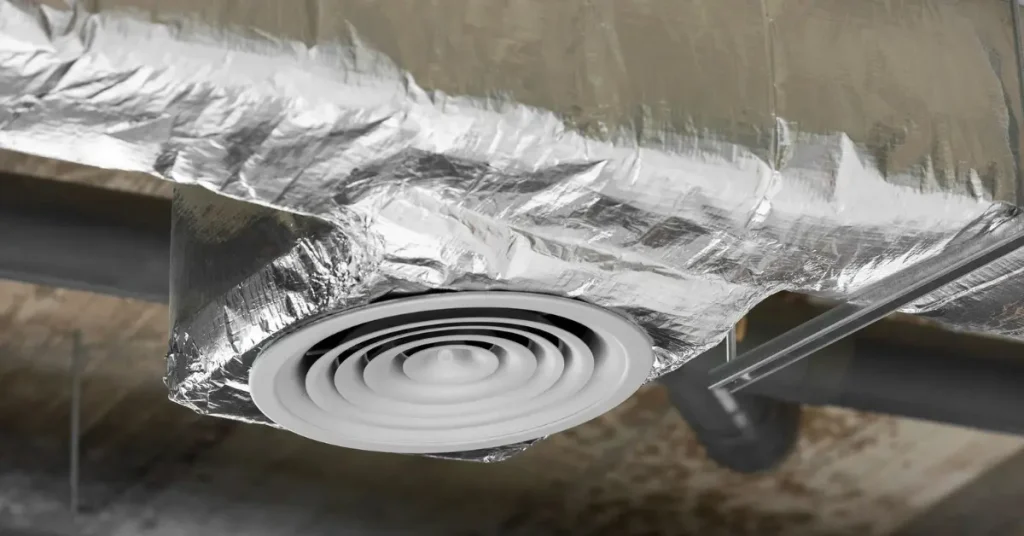
Your home’s ductwork does a lot of heavy lifting. It moves conditioned air throughout every room. But what happens when those ducts start breaking down? That’s where air duct coating and sealing come into play. These two services sound similar, but they solve different problems. One protects the inside surfaces of your ducts. The other stops air from escaping through gaps and cracks. Understanding the difference helps you make smarter choices for your home. Let’s break it all down together.
What Is Air Duct Coating and Duct Encapsulation?

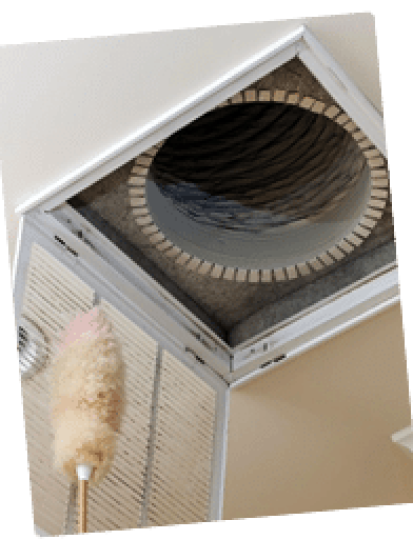
Air duct coating is basically a protective layer applied inside your ductwork. Think of it like painting your walls, but for your ducts. This special sealant covers the interior surface of your liner. It locks down dust, fibers, and debris that might otherwise float into your breathing space. Encapsulation takes things a step further by fully sealing deteriorating insulation inside older systems.
Over time, the lining inside ducts can break down. This is especially common in older homes with fiberglass liner materials. When that happens, tiny particles can enter your airflow. Air duct coating creates a smooth, sealed surface. It keeps those particles trapped and out of your lungs. This process works great after a thorough cleaning to maximize results.
Understanding HVAC Duct Sealing
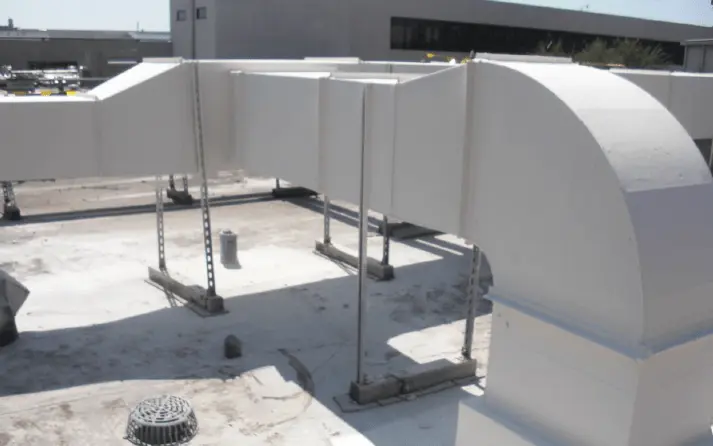
Now let’s talk about the other side of things. HVAC duct sealing focuses on the outside of your ducts. Its job is simple: stop conditioned air from leaking out. Gaps, cracks, and loose connections are the main culprits here. When air escapes through these openings, your system works harder than it should. That means higher bills and less comfort.
Sealing uses specialized materials to close those gaps. Technicians apply sealant to joints, seams, and connection points. This keeps the air moving where it belongs, inside your ducts. The result? Your home stays comfortable without wasting energy. It’s one of the smartest upgrades you can make for your home.
How the Aeroseal Sealing Process Works
You might have heard about Aeroseal. It’s a popular method for sealing ductwork from the inside out. Here’s how it works. Technicians pump aerosolized sealant particles into your system. These tiny particles travel through and stick to leak points automatically. They build up and seal gaps you can’t even see or reach.
The Aeroseal sealing process is pretty impressive. It can reduce leaks by up to 90 percent in many cases. Plus, technicians can measure results before and after treatment. You get real proof that the service worked. This technology handles leaks in hard-to-reach spots that traditional methods might miss.
Air Duct Coating vs. Sealing: Which One Do You Need?
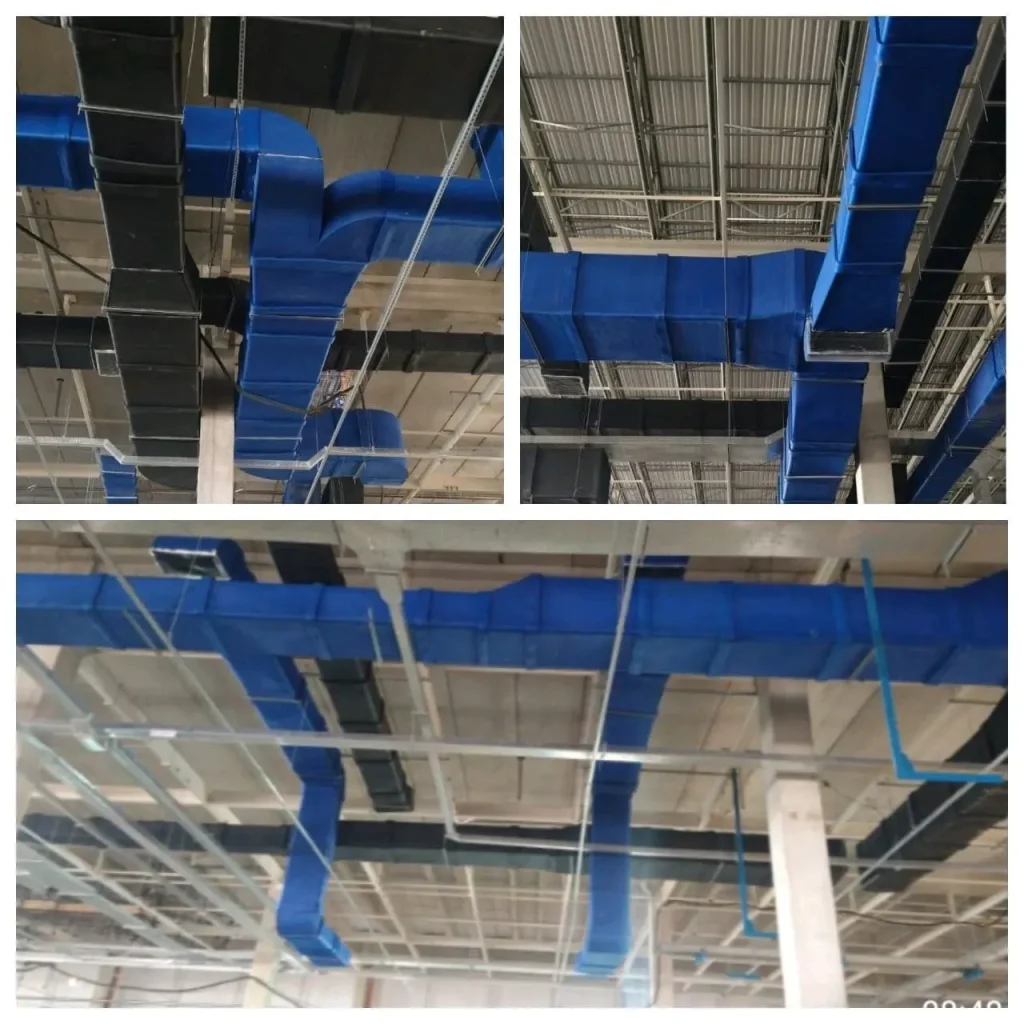
So which service is right for your home? It really depends on your specific situation. Air duct coating addresses problems inside your ducts. Sealing addresses problems with air escaping your ducts. Sometimes you need one. Sometimes you need both. A professional inspection can help you figure that out.
Here’s a quick breakdown of when each service makes sense:
- Choose air duct coating when your liner is deteriorating or releasing particles
- Choose sealing when you notice uneven temperatures or high energy bills
- Choose both when your ductwork is older and showing multiple issues
- Schedule cleaning first to prepare surfaces for either treatment
The good news is that both services improve how your home feels and breathes. They just tackle different parts of the problem.
Benefits of Ductwork Coating and Sealing for Your HVAC System
Investing in air duct coating and sealing pays off in several ways. First, your HVAC system doesn’t have to work as hard. When air stays inside the ducts where it belongs, everything runs more efficiently. That translates directly to lower monthly utility costs. Your equipment also lasts longer because it’s under less strain.
Second, air duct coating protects your indoor environment. Sealed interior surfaces mean fewer contaminants floating around your home. You’ll breathe easier, literally. Families with allergies or respiratory concerns often notice a real difference. These services aren’t just about comfort. They’re about healthier living spaces.
Improved Air Quality and Energy Savings
Let’s dig deeper into these benefits. Improved air quality starts with cleaner ducts. When you combine professional with air duct coating and sealing, you create a fresh start. Contaminants get removed first. Then, protective layers lock everything down. Fresh, clean air flows through your vents.
Energy savings add up fast, too. Studies show leaky ducts can waste 20 to 30 percent of conditioned air. That’s money literally floating into your attic or crawlspace. Proper sealing keeps that air in your living spaces instead. Most homeowners see noticeable drops in their energy bills after treatment.
Signs Your Air Duct Coating or Sealant Needs Attention
How do you know when your ducts need help? There are some clear warning signs to watch for. Dusty vents are a big one. If you’re constantly wiping dust off registers, something’s up. Uneven temperatures between rooms can signal leaks. So, there can be higher-than-normal energy bills without explanation.
Visible damage is another red flag. Take a peek at accessible ductwork in your attic or basement. Look for tears, gaps, or sagging sections. Older homes with original ductwork often need air duct coating to address liner breakdown. Strange odors coming from vents might also indicate problems. Don’t ignore these signs. Early action prevents bigger issues later.
Contact Air Duct Cleaning Titans for Expert Service
Ready to improve your home’s comfort and air quality? Air Duct Cleaning Titans is here to help. Our team understands the difference between air duct coating and sealing services. We’ll inspect your system and recommend exactly what you need. No upselling, no guesswork, just honest answers.
Whether you need cleaning, air duct coating, or complete sealing, we’ve got you covered. Our technicians use proven methods and quality materials. We treat your home like our own. Contact Air Duct Cleaning Titans today to schedule your inspection. Breathe easier knowing your ductwork is in expert hands.
Frequently Asked Questions
Q: How long does air duct coating last once applied?
A: Quality air duct coating typically lasts 10 to 15 years when properly applied. The lifespan depends on your system’s usage and overall maintenance habits. Regular inspections help ensure the coating stays effective over time.
Q: Can I have duct sealing done without cleaning my ducts first?
A: Technically yes, but it’s not recommended. Cleaning first removes debris that could interfere with sealant adhesion. Starting with clean ducts gives you better, longer-lasting results from your sealing service.
Q: Is Aeroseal safe for my family and pets?
A: Yes, Aeroseal uses water-based, non-toxic sealant particles. The product has been tested extensively and meets safety standards. Once the process is complete, there are no harmful residues left behind.
Q: How much does professional duct sealing typically cost?
A: Costs vary based on your home’s size and ductwork condition. Most homeowners spend between $1,500 and $3,000 for Aeroseal treatment. Traditional sealing methods may cost less but might not reach all leak points.
Q: Will sealing my ducts really lower my energy bills?
A: In most cases, yes. Sealing can reduce wasted conditioned air by up to 30 percent. Many homeowners notice savings within the first few billing cycles after treatment. The investment usually pays for itself within a few years.
Q: How do I know if I need coating, sealing, or both services?
A: A professional inspection gives you the clearest answer. Generally, visible liner damage points to coating needs. High energy bills and uneven temperatures suggest sealing issues. Many older homes benefit from both services together.